
Tokyo Xtreme Racer 3


Buy
Part of collection:
Tokyo Xtreme Racer
(last 3 games)
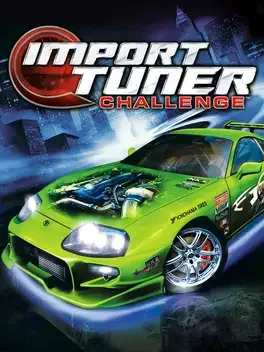
Import Tuner Challenge is set on the Shuto Expressways of Tokyo, Japan. There a total of 415 rivals in the game. It features C1 and Shinkanjo like many other TXR games but unlike TXR3, Import Tuner Challenge does not feature the highways of Nagoya, Osaka, and Yokohama. But two new highway sections of Tokyo are in the game which are Rt.3 Shibuya and Rt.4 Shinjuku.
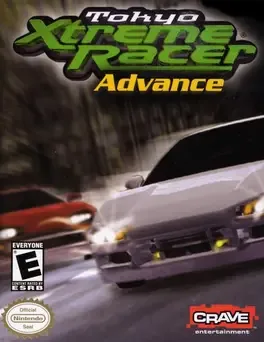
Game Boy Advance adaptation of the popular Japanese Tokyo Xtreme Racing series of games. The GBA game features more than 16 unique user-playable cars to choose from, each with various levels of car tuning options. "Tuner" fans are able to upgrade and customize their cars with plenty of performance and style modifications. Gameplay is similar to the console titles, meaning you explore different metropolitan areas and look for other car fans to challenge them to races. Players race through three cities- Tokyo, London and Los Angeles-on six different tracks. There are more than 60 different rivals to challenge.
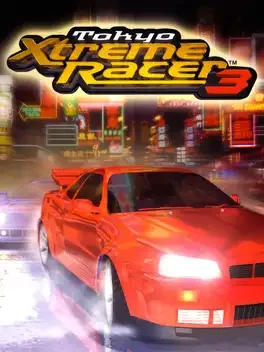
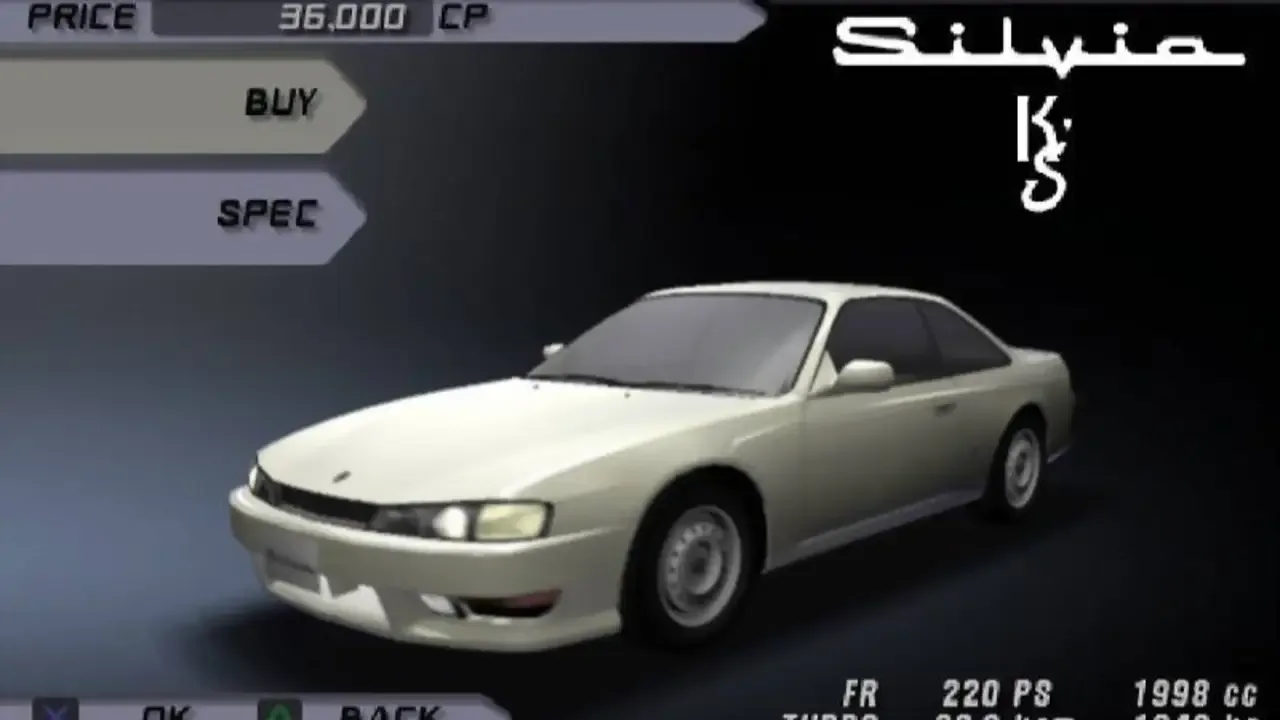
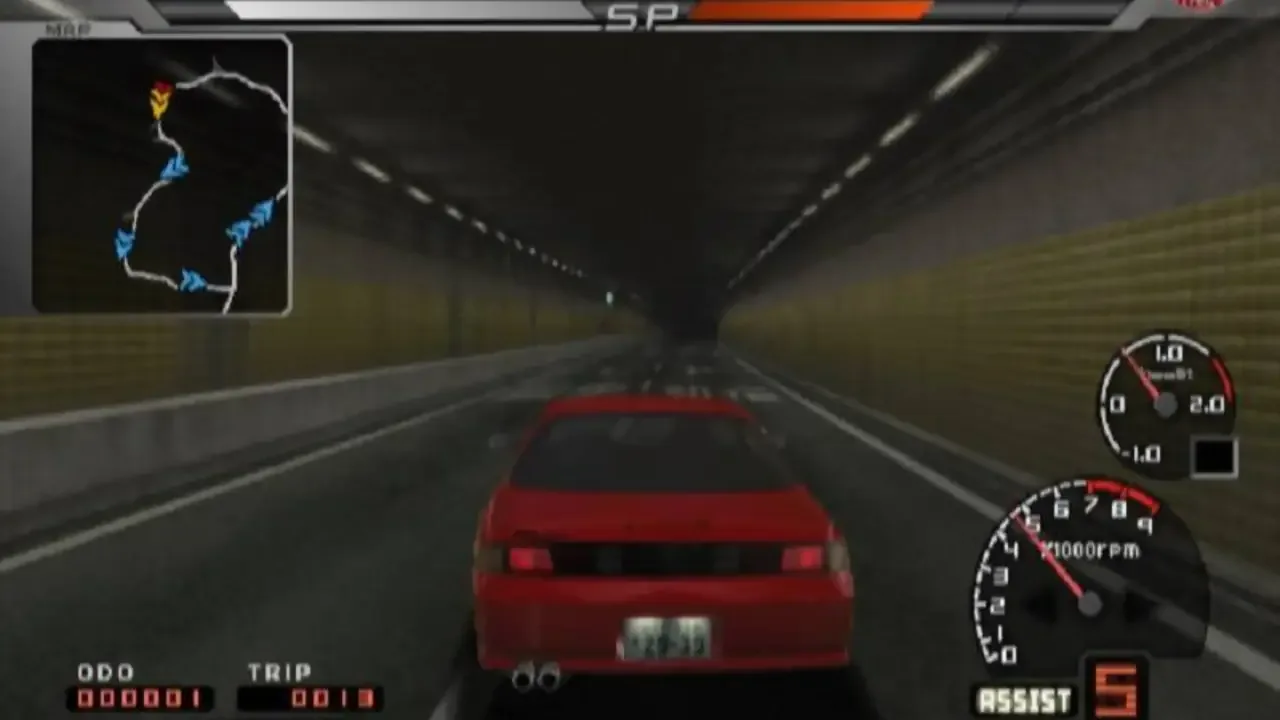
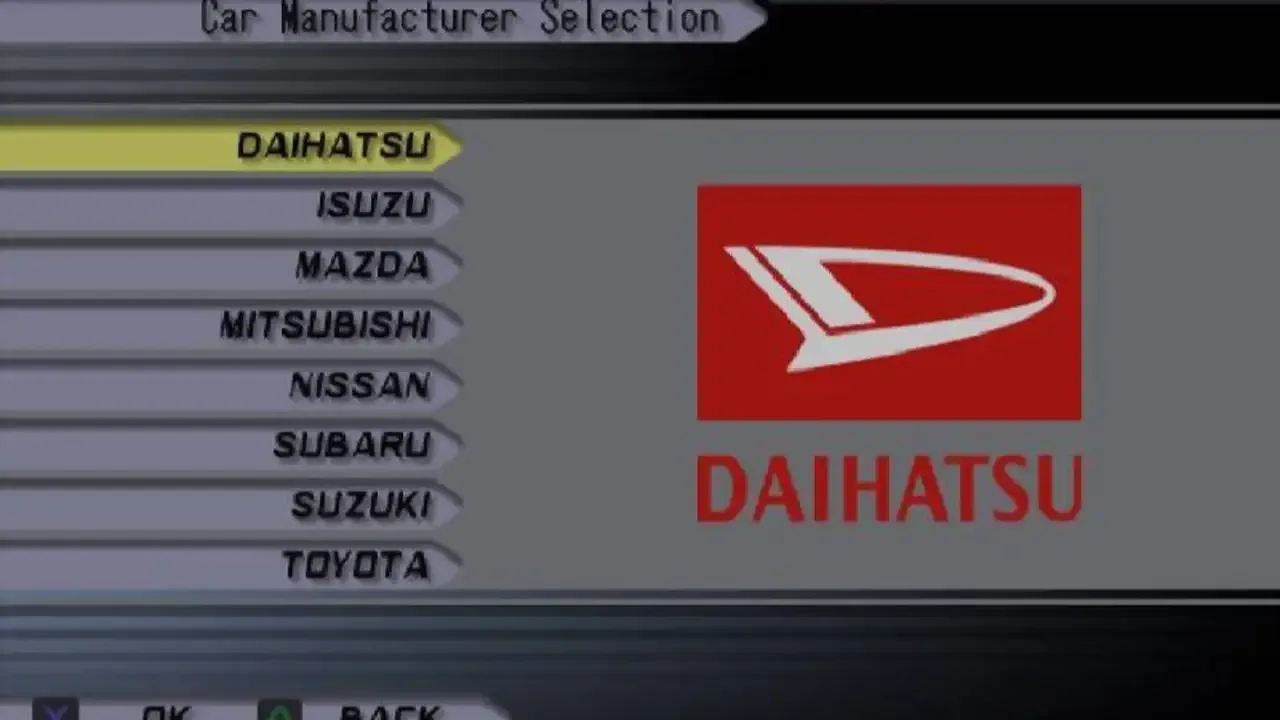
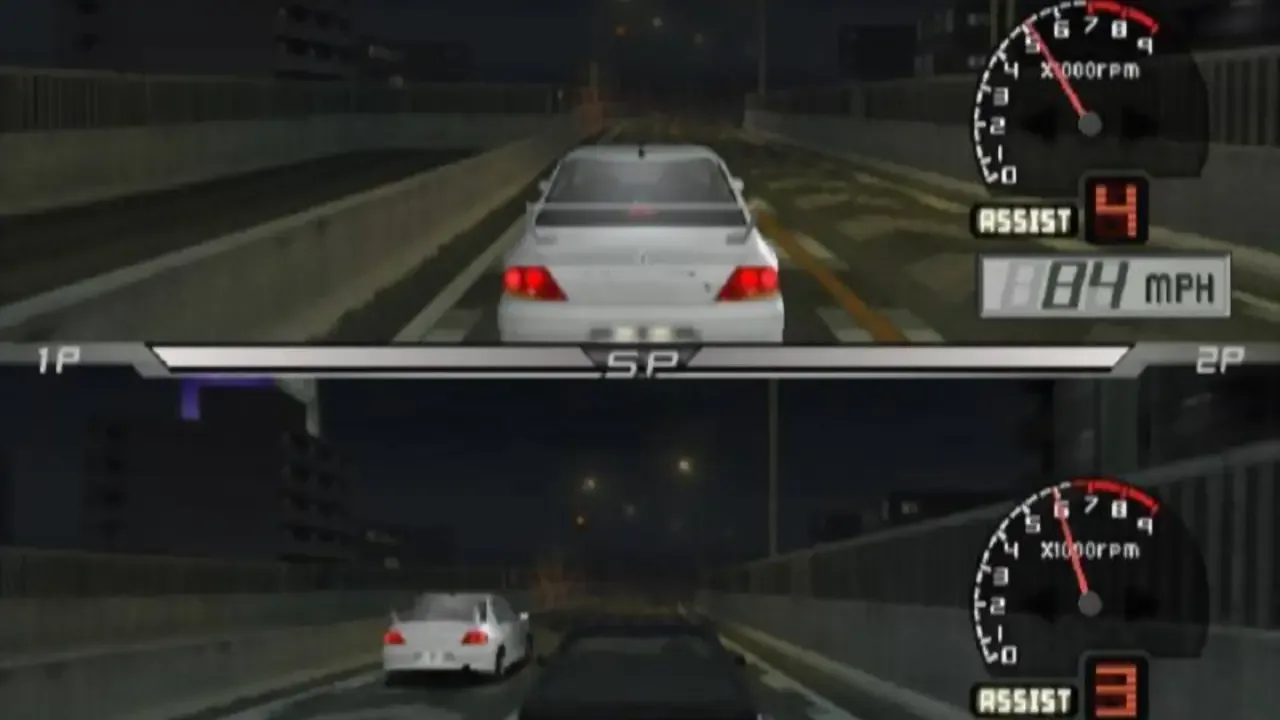
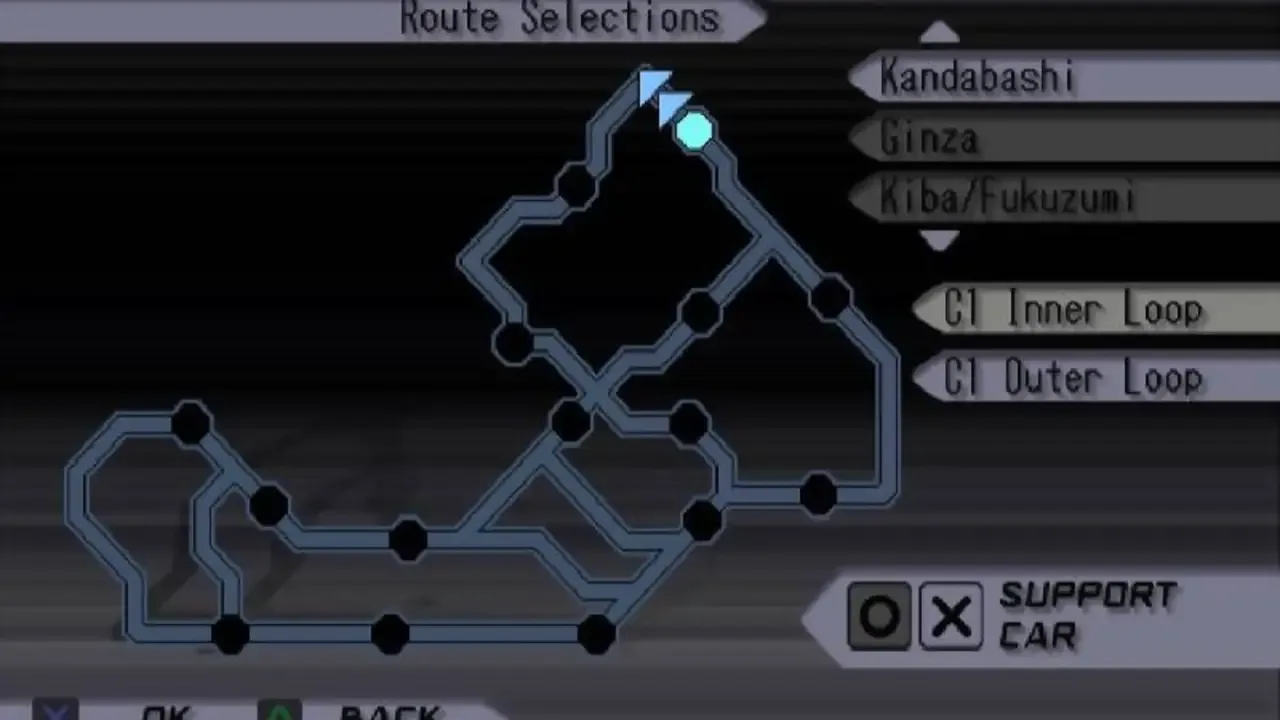
Tokyo Xtreme Racer 3 (or 首都高バトル 01 in the Japanese release) was released for the PlayStation 2 in 2003 as part of Genki's Shutokou Battle series. This entry in the series was released two years after the previous game, Tokyo Xtreme Racer: Zero. Much like other entries in the series, the objective is to become the fastest racer on the highways of Japan, but unlike those before it, TXR3 allows the players to race in Nagoya and Osaka instead of just Tokyo, and the Tokyo map is expanded to include the Yokohama area. In addition, this title adds a weather cycle. TXR3 includes a fully-licensed list of cars from a variety of Japanese, American, and European manufacturers instead of the old car model designation method of "Type-(technical model name)", and furthermore, the car list itself was culled of many repeat models so to simplify and reduce the number of cars. The A, B, and C car designations were also removed. Graphically speaking, Tokyo Xtreme Racer 3 is a definite improvement over previous entries. Car models feature a higher polygon count and are much more extensively detailed and lighting effects were also greatly improved, featuring light streaking effects, road reflections and higher quality car reflections.
Part of franchise:
Tokyo Xtreme Racer
(last 3 games)
Import Tuner Challenge is set on the Shuto Expressways of Tokyo, Japan. There a total of 415 rivals in the game. It features C1 and Shinkanjo like many other TXR games but unlike TXR3, Import Tuner Challenge does not feature the highways of Nagoya, Osaka, and Yokohama. But two new highway sections of Tokyo are in the game which are Rt.3 Shibuya and Rt.4 Shinjuku.
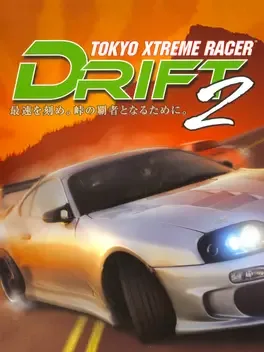
The mountains of Japan are calling - and so are your racing rivals. With the mysterious disappearance of the reigning champion, the tournament crown is suddenly up for grabs. Many will vie, only one can win. Do you have what it takes to race, grind and drift your way to the ultimate racing prize? Race in the dangerous mountains of Japan - Hakone, Niko, Haruna and Akagi - all faithfully recreated using the most advanced laser techniques to maintain every tight twist and turn.
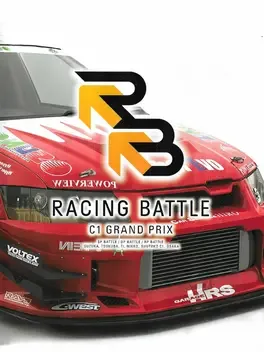
Genki's racing games have typically fallen into the Shutokou Battle series, a collection of late-night racing games that put you on the highways surrounding Tokyo. The company's latest PS2 racer, Racing Battle: C1 Grand Prix, maintains many of the same gameplay mechanics that Genki's other games contain, but this time it takes the cars off of the streets and drops them onto proper racetracks. Racing Battle will contain licensed cars. The version on display only has a handful, including an RX-7, a Supra, an Integra, an Impreza, and an S2000. The car models in the game look decent. They're nice and smooth, but they don't seem to be quite as detailed as the car models in some other comparable racing games. Like most other racing games, Racing Battle has multiple camera angles. But the first-person angle is pretty interesting. From this view, you get indicators that show how hard you're steering, accelerating, or braking. You also get a second, TV-style camera angle in a small window at the top of the screen. This is cool because it gives you a good idea of what's going on near your car. It's easy to see cars coming up behind you with this view and more effective than a standard rearview mirror. The gameplay in Racing Battle is roughly the same as what Genki has done with Shutokou and Kaido Battle series. Each car is associated with a fighting gamelike life meter, and the car in second place constantly loses pieces of its life meter. When one car runs out of "health," the race ends and a winner is declared.
Could be interesting
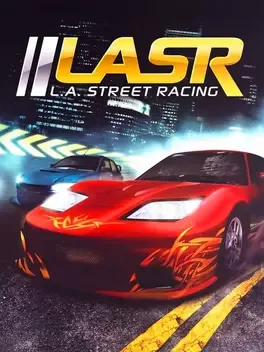
LA Street Racing is a street racing game set in Los Angeles where players climb from 61st place to challenge the underground champion Matt Peacock. Players start with a basic car and compete in high-stakes races at various locations across LA, betting car parts and eventually whole vehicles in pink slip races. The progression system features four prestige levels, each unlocking new racing locations and tougher opponents. Car customization involves strategic decisions about part compatibility and performance trade-offs, as mixing different upgrade tiers affects handling. The racing model emphasizes realistic vehicle physics, requiring careful braking and cornering techniques, while rewarding clean driving with nitrous boosts. The game includes multiplayer support for up to eight racers online.
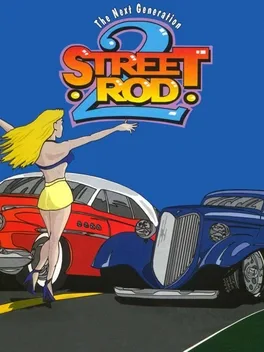
You're given 3 venues to race your blood thirsty opponent, betting for money and pink slips. The drag race tests how fast you can engage 1st gear. You're ultimate goal is to beat the new king on these three courses that if you do you get to regain your long lost crown and take home his girl, again.
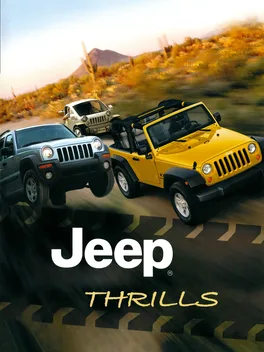
Jeep, the undisputed King of off road adventure, invites you to climb into the driver's seat and experience racing like never before. 18 customizable Jeep vehicles (including futuristic concept cars!), 35 intense tracks, and one main objective: conquering the terrain and the elements and owning the planet. From the jungles of Central America to the frozen Alaskan tundra, this is adventure racing like it ought to be. Jeep Thrills! And everyone else? Get left behind.
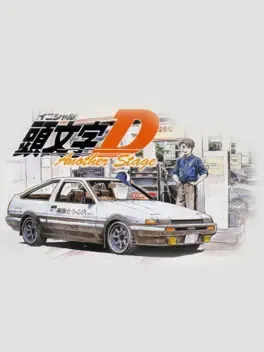
Initial D: Another Stage is a driving/racing game for Game Boy Advance, based on the anime and manga Initial D.
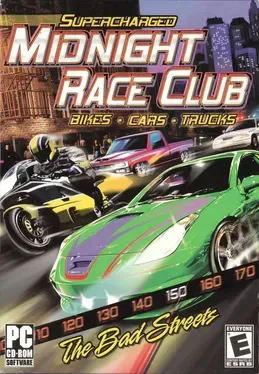
Midnight Race Club: Supercharged! is the second racing game from the developers behind the notorious Big Rigs: Over the Road Racing. Unlike Big Rigs, it has proper collision detection, unintentionally removing one of the quirks that made the previous game famous. Midnight Race Club was originally intended to be a single package along with Big Rigs, but GameMill decided to split the two early in development. For this reason, both games share an identical UI and near-identical gameplay.
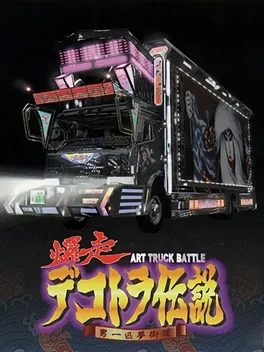
Bakusou Dekotora Densetsu: Otoko Ippiki Yume Kaidoi is a racing video game developed and released by Human Entertainment, released on June 25, 1998 in Japan. This game puts you in the role of a truck driver in Japan, transporting cargo and competing in illegal races against other trucks.
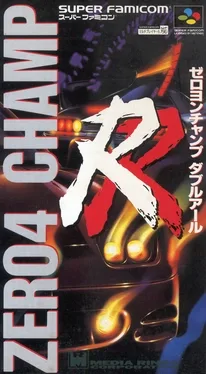
A street racing game from Media Rings that focuses on 400m drag races, the titular "Zero-4". It is the first of two Super Famicom games in the Zero-4 series.
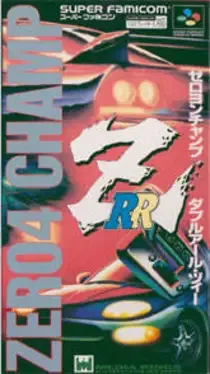
A drag racing game based on the illegal "zero-4" street race. The second of two Super Famicom games in the series.
Game Boy Advance adaptation of the popular Japanese Tokyo Xtreme Racing series of games. The GBA game features more than 16 unique user-playable cars to choose from, each with various levels of car tuning options. "Tuner" fans are able to upgrade and customize their cars with plenty of performance and style modifications. Gameplay is similar to the console titles, meaning you explore different metropolitan areas and look for other car fans to challenge them to races. Players race through three cities- Tokyo, London and Los Angeles-on six different tracks. There are more than 60 different rivals to challenge.
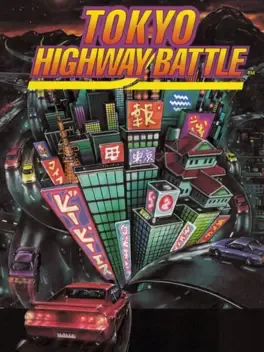
Players navigate through three Tokyo highway circuits driving one of 72 high-performance sports cars. While driving, players earn valuable points which are used to purchase upgrade parts for their vehicle. To ensure the most realistic gameplay, developers Bullet-Proof Software, enlisted the guidance of racing champion, Keiichi Tsuchiya and automotive specialist, Masaaki Bando Under their supervision, Bullet-Proof painstakingly recreated the physics and handling of each race car. The Saturn release, only released in Japan, included many more videos and starred the Drift King himself through these cutscenes.