
Super Robot Taisen


Buy
Parent game
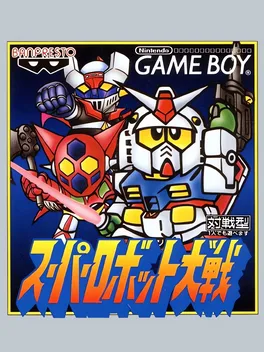
The first game of the series, which only features sentient robots from the Universal Century Gundam series, Mazinger series and Getter Robo series. It is one of the only independent games in the series to feature a multiplayer mode; it is not done again until the release of Super Robot Wars XO. Unlike future games, the goal is to capture the enemy army's "tower," and Spirit Commands can only be used by the unit that is designated the team's "hero." The final boss of the game was the main villain from Great Mazinger vs. Getter Robo, Gilgilgan.
Part of collection:
Super Robot Wars
(last 3 games)
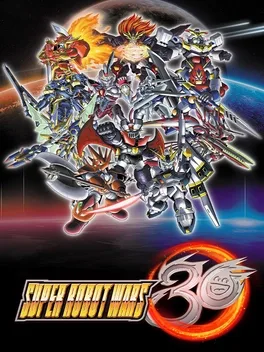
30 years on, the battle for our world's future continues. Super Robot Wars is a tactical RPG that brings characters and robots from a variety of mecha anime together to battle their mutual foes.


A Super Robot Wars mobile game that breaks from traditional Super Robot Wars turn-based strategy and uses a strategic line defense game play.
Part of franchise:
Super Robot Wars
(last 3 games)

30 years on, the battle for our world's future continues. Super Robot Wars is a tactical RPG that brings characters and robots from a variety of mecha anime together to battle their mutual foes. The limited edition includes: - Game: Super Robot Wars 30 - Metal Robot Damashii (Ka signature) "SIDE OG" Huckebein 30 - Original Background Music Digital Soundtrack
30 years on, the battle for our world's future continues. Super Robot Wars is a tactical RPG that brings characters and robots from a variety of mecha anime together to battle their mutual foes.
Part of franchise:
Gundam
(last 3 games)
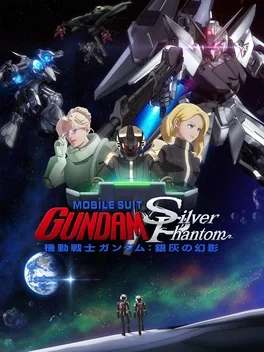
This feature-length interactive cinematic story tailored for Gundam enthusiasts, anime fans, and VR lovers alike, will offer a unique opportunity to dive deep into the heart of one of Japan's most iconic anime universes. Set in the Universal Century, this immersive journey places you at the center of an interactive cinematic experience like no other. As the main character of your own story, you'll be able to explore the universe of Mobile Suit Gundam like never before.
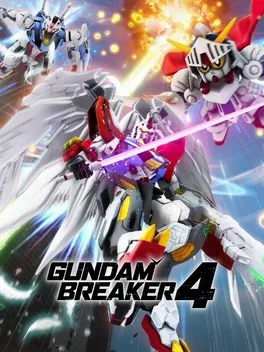
Create your own ultimate Gundam in the newest Gundam Breaker! With more customizable parts than ever before, you finally have the freedom to build your perfect Gunpla. Test it in battle using the brand new dual-weapon system and break parts off of your enemies and add them to your collection.
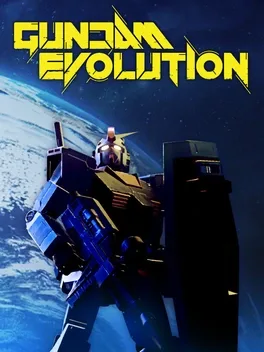
This game is a first-person, team-based shooter with 6v6 combat and three objective-based game modes: Point Capture, Domination and Destruction.
Part of franchise:
SD Gundam
(last 3 games)
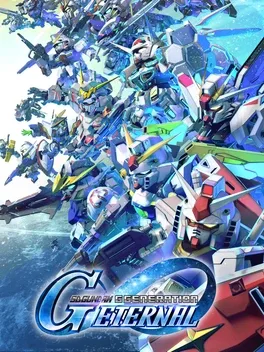
Dive into the world of Gundam and enjoy the game's unique system to upgrade, develop, and form squads with your favorite Mobile Suits and characters.
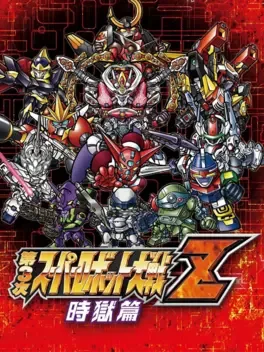
Like Z2, the third and final chapter in the Super Robot Taisen Z tactical RPG series is split into two parts, starting with Jigoku-hen ("Time Prison Chapter"). The game features mobile suits and mecha characters from 32 anime series including the newly added Mobile Suit Gundam UC, Armored Trooper Votoms: Big Battle, Armored Trooper Votoms: Shining Heresy and Aquarion EVOL.
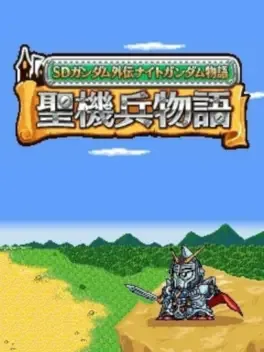
"SD Gundam Gaiden Knight Gundam Monogatari: Seikihei to Kikoushin" is the latest installment in the "SD Gundam Gaiden: Knight Gundam Monogatari" role-playing game series, first released as a home video game in 1990 and ported as cell phone content in 2008. (As of 2010)
Could be interesting
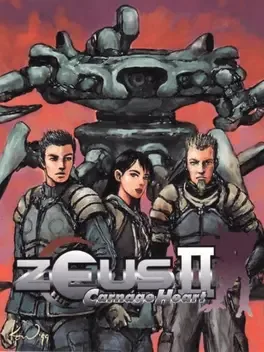
Zeus II: Carnage Heart is a Strategy game, developed and published by Artdink, which was released in Japan in 1999. Zeus II Carnage Heart is another Carnage Heart sequel (not to be confused with "Zeus Carnage Heart Second") with a new storyline, and vastly improved graphics over the original Carnage Heart.
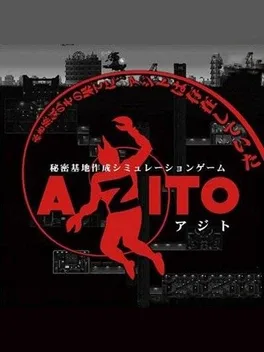
In Azito, the player takes the role of chief commander of a new secret base. Weapons, in the form of Mechs are developed and used to defend the secret base from enemy attacks. The secret base must be protected in order to be completed. The player cannot attack enemy bases, but only intercept the enemy units. As the player chooses their attributes with the help of specialized staff, a variety of weapons can be developed, and the appearance of the base will change depending on what is being developed.
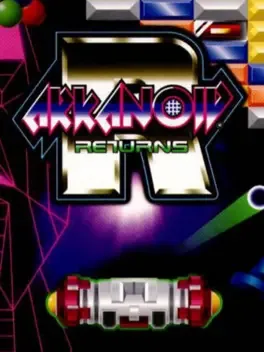
Arkanoid Returns is an arcade game released by Taito in 1997 as part of the Arkanoid series. It was the fourth overall, and third to be released in arcades. The game was since ported to the PlayStation, with an updated home release being released afterwards titled Arkanoid R 2000. All versions were released exclusively in Japan, currently making it the only game in the series to never receive an international release. The enemy known as 'DOH' still did not get the message and after many years of silence decides to attack once again. The 'Vaus' space vessel better be ready to face new, yet familiar challenges, in order to stop 'DOH' once again. The gameplay remains similar to Arkanoid: Doh it Again, the previous game in the series released for the Super Nintendo, in that it features the same powerups , some re-used level designs, and the same board size. The initial arcade game contains only 50 levels, the environment changing every 9 levels.
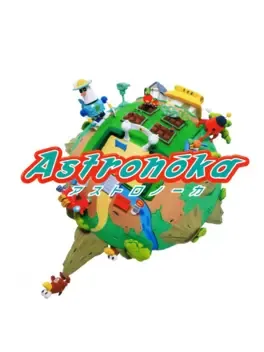
Astronoka is officially described as a "space vegetable production and pest control game". The game revolves around the player cultivating vegetables on a fictional, futuristic star system. The objective is to win vegetable contests and eventually the All-Universe Vegetable Competition, while setting traps and defense to protect the farm against a species of pest called Baboo.
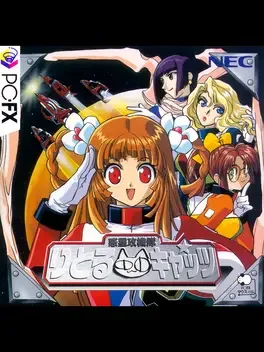
Little Cats is somewhat similar to Sakura Taisen games, with adventure and dating elements reduced, and simulation elements added. David has to make schedules for the girls and decide how much and what exactly they should train. Running competitions, shooting range, robot navigation - everything can be trained, but at the expense of the girls' stamina, which means they will need to rest as well. During the simulation mode, it is also possible to wander around the space station and spend time with the girls.

The sequel to Carnage Heart, a mecha action-strategy game from Artdink. Design an unmanned mobile weapon overkill engine, direct the airframe designed by himself and lead the battle to victory. Addition of story part, numerous new aircraft, strengthening of graphics, improvement of operability and completely revamp the system of the previous work. The curtain of dramatic SF simulation set on Jupiter's satellite rises!
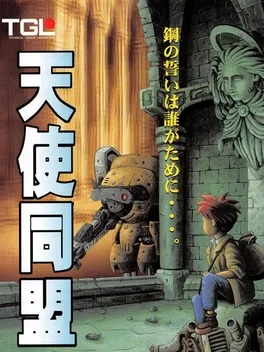
Tenshi Doumei combines battlefield tactics and mech upgrades for an entertaining title. At face value, Tenshi is a tactical strategy RPG where you move units and attack or defend against cadres of adversaries. Attacks consist of long range artillery attacks and close-range bouts where you invariably punch an enemy mech. The drawback of a punch is that the opponent will counter-attack within the close range. A long range fire attack will not prompt any return fire. Close range attacks are preferable in the first few levels because they inflict more damage.
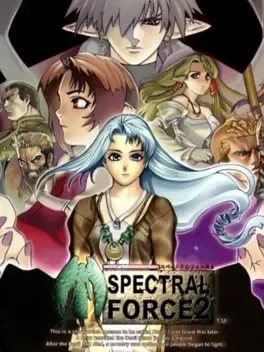
The sequel to Spectral Force is set in a fantasy world called Neverland. The ruler of Demon Kingdom was defeated by the hero Chiffon, leaving behind a son and a daughter, the children of his human wife. The two half-demons strive to regain the lost power. The sister Hiro re-builds the Demon Kingdom, while the brother Jadou finds a way to communicate with our world, and summons a Japanese schoolgirl who soon becomes a mighty warrior under his guidance.
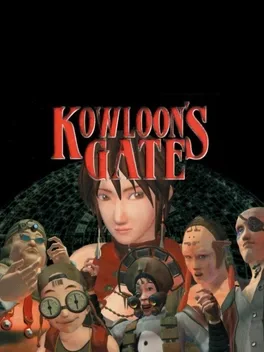
Kowloon's Gate is a 1997 Japanese adventure video game developed by Zeque. Set in the Kowloon Walled City in Hong Kong, it is considered a cult hit. Kowloon's Gate is a first person adventure game that puts the player in a futuristic fantasy world in which he will take the role of a young woman (a master feng shui) that will have to encounter different people, fight evil enmies, and solve some strange situations and puzzle to advance in the adventure and try to make that the world won't dissappear. Kowloon's Gate uses motion JPEG technology to render the strange CG enviroments you'll explore. Interact with unique characters, traverse the real-time 3D scenes freely, and solve imaginative puzzles in this Adventure game.

The sequel to the SNES title in the series released on the Sony PlayStation. It differed from the rest of the series, as it was a Strategy/RPG, unlike the rest, all being Action/Shooter/Platform titles. After the release in 1999, the same game would be reprinted by the company Four Winds on August 30, 2001. This game was never released outside Japan either.