Popular games for franchise SD Gundam
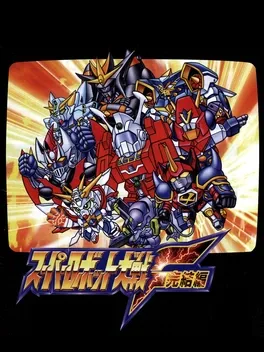
Super Robot Wars F Final (or "Super Robot Taisen F Kanketsuhen") picks up where Super Robot Wars F left, starting at stage 35. F and F Final were originally thought as an unique game, but production delays made the producers decide to split the game in two parts. This game features the first appearance of Mazinkaiser (created by contaminating the Mazinger Z with Getter rays). Gameplay mechanics are the same of Super Robot Wars 4 (and Super Robot Wars F, of course). It's a turn strategy game, when attacked the player can decide to counter, to dodge (halves the % of being hit) and to defend (it halves the damage eventually received).
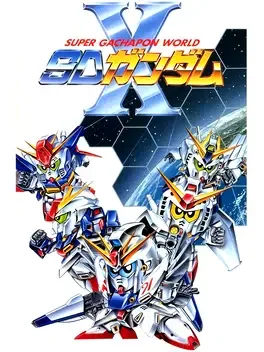
Super Gachapon World: SD Gundam X is a Strategy game, developed by Bec and published by Yutaka, which was released in Japan in 1992.
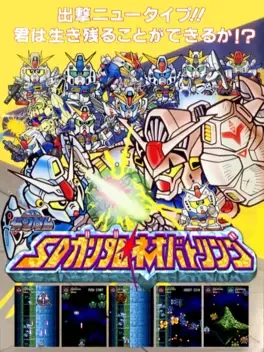
Choose an SD Gundam and destroy Zion units in this vertically scrolling shooter. Hold down the Shoot button for a few seconds and release to use the SD Gundam's secret weapon.
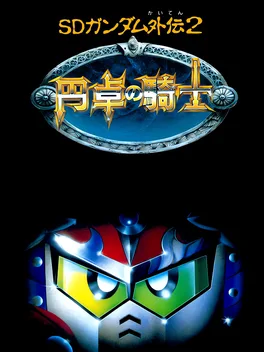
Role-Playing video game published by Yutaka for the Super Famicom, in 1992.
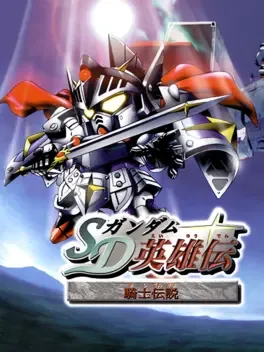
SD Gundam Eiyuuden: Kishi Densetsu is a Role-playing game, developed and published by Bandai, which was released in Japan in 2001.
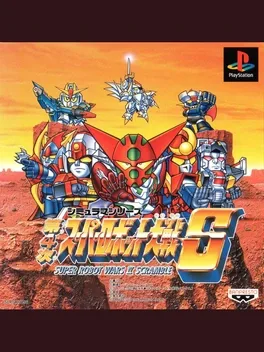
Port of Dai-4-ji Super Robots Taisen for PlayStation.
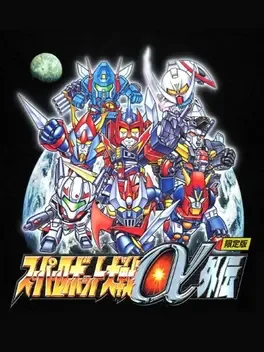
Shortly after the events of Alpha, the Earth Federation has covered up many of the events in the climatic battle with the antagonist Aerogaters, but the gravity shock wave from the detonation of the Excelion (from Gunbuster) in the Battle of the Solar System's Absolute Defense is rapidly approaching the Earth, and threatens to wipe out the space colonies and the planet. The Earth's only hope is the Aegis System, which could shield the Earth Sphere from the shock wave. Unfortunately, the heroes are sent to an alternate future, where the Earth has been ravaged by the wave. Faced with a new threat in the form of the Ancestors, the heroes must find a way to return to their time and prevent this alternate, dystopic future from happening.
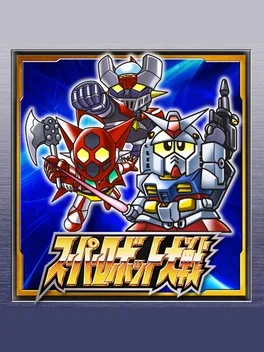
A remake of the title was released digitally for the PlayStation 3 and PlayStation Vita in 2014 via PlayStation Network. While the game utilizes high-definition graphics, battle animations are rendered using immobile robots in a manner similar to titles released prior to Super Robot Wars Alpha. Gameplay changes include 13 new stages, Spirit Commands available for all units (though the Hero is given access to exclusive commands), the addition of Mazinger Z's Boss Borot to the starting Mazinger team, and new units such as the Full Armor Gundam and Cybuster.
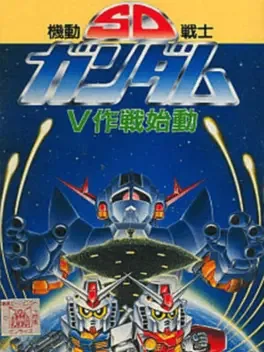
SD Kidou Senshi Gundam: V Sakusen Shidou is a 2D side-scrolling shooter/brawler featuring characters from the Gundam universe. Specifically, it draws from the SD (Super Deformed) Gundam continuity in which all the Gundam mech suits are sentient robotic creatures. The player must pass through various waves of enemies, either on the ground or in flight, in order to proceed to the end of the stage, where occasionally a boss must be fought.
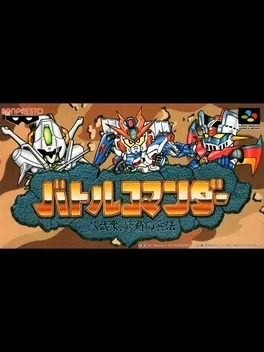
Battle Commander is a Strategy game, developed by Arc System Works and published by Banpresto, which was released in Japan in 1991.
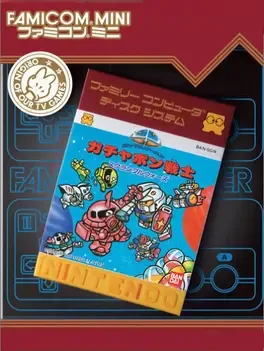
Famicom Mini: SD Gundam World - Gachapon Senshi: Scramble Wars is a Game Boy Advance video game released in 2004 by Nintendo. It is a remake of Bandai's Famicom game SD Gundam World: Capsule Warriors - Scramble Wars, and little to no alterations were made on the game to stay faithful to the original title. The game was not released in America or Europe, and thus was exclusive to Japan. It was part of the Famicom Mini Series that re-released a variety of classic Famicom games for the Game Boy Advance.
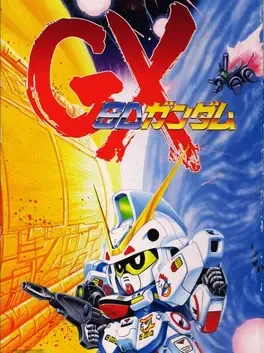
SD Gundam GX is a Strategy game, developed by Bec and published by Bandai, which was released in Japan in 1994.
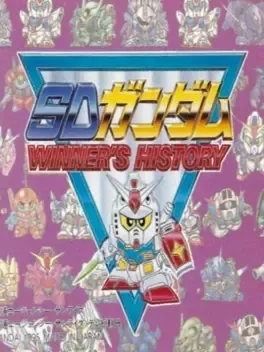
SD Gundam Winner's History is a turn-based strategy game, with some action elements, part of Gundam franchise. Player controls a small army of robots and fights against enemy's army. Battles take place in various environments: space, atmosphere or planet's surface. Player has to occupy specific points and factories. These produce new work and larger space ships. Battle between robots is a duel 1:1 - robot can operate automatically or be manually controlled. Larger space ships can bombard enemy from safe place. Game has campaign, player can play on single map, and against other player.
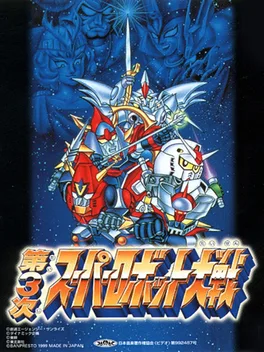
A remake of Dai-3-ji Super Robot Taisen for the PlayStation, first released first in Super Robot Taisen Complete Box, then separately as a standalone release.
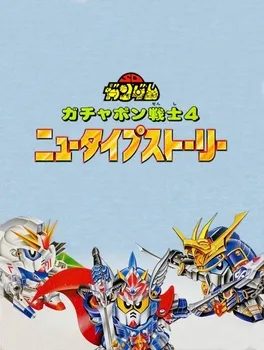
SD Gundam: Gachapon Senshi 4: New Type Story is a Strategy game, developed by TOSE and published by Yutaka, which was released in Japan in 1991.
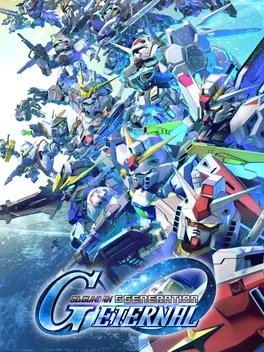
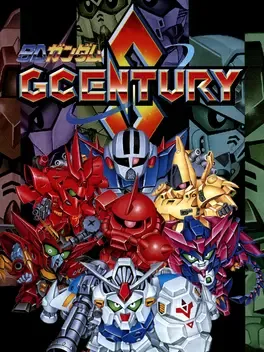
Dive into the world of Gundam and enjoy the game's unique system to upgrade, develop, and form squads with your favorite Mobile Suits and characters.
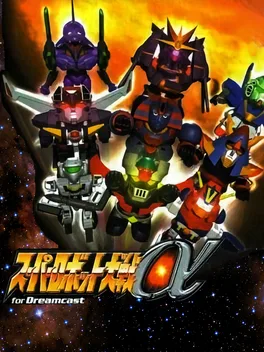
Super Robot Taisen Alpha for Dreamcast is a strategy simlulation game for Dreamcast, released on 2001. The game is an extended port of Super Robot Taisen Alpha with changes in the system, including an overall 3D transition, more titles in the game, and the ability to use coalescing attacks.
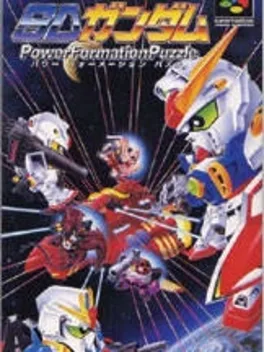
SD Gundam Power Formation Puzzle is a Puzzle game, developed by Tom Create and published by Bandai, which was released in Japan in 1996.

SD Gundam: Sangokushi Rainbow Tairiku Senki is an Action run-and-gun game in the style of the Contra series, developed by Bandai and published by Banpresto. Released in Japan for the arcades in 1993.