
Heisei Tensai Bakabon Minna de Family Resturant ni Iku no da!
Buy
Part of franchise:
Tensai Bakabon
(last 3 games)
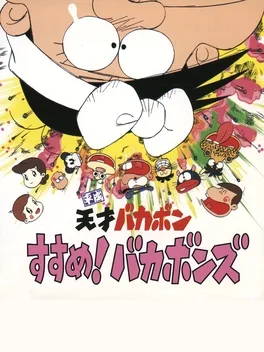
Heisei Tensai Bakabon: Susume! Bakabons is a competitive falling-block puzzle game based on the 1990 animated series Heisei Tensai Bakabon. Pairs of blocks in four colors drop from the top of the screen, and the goal is to line up two or more blocks of the same color, with another pair of a different matching color at either end. Any blocks on top of the ones cleared will fall into the open space, potentially comboing together into chains. Clearing multiple sets of blocks in a combo or chain will send garbage blocks to the opponent's playfield, and also charge up a super move that triggers automatically at a certain threshold which can clear a large number of blocks from the playfield. The game has a single-player story mode in which Bakabon's dad, refusing to wake up in the morning, gets sucked up by his wife's vacuum cleaner and sent to a strange puzzle world where he must defeat the other characters from the show in puzzle battles. There is also a two-player versus mode with nine playable characters.
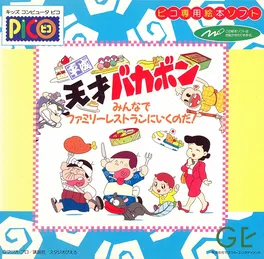
An educational game based on manga Tensai Bakabon.
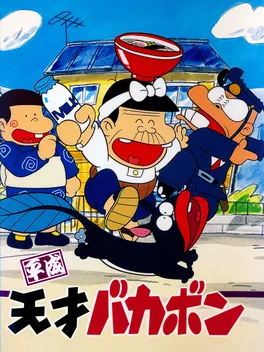
A former genius has now become very eccentric and senile. His family deals with all the crazy problems he and his old friends cause around the neighborhood.
Could be interesting
Kanji learning game from Nippon Ichi Software featuring many of its characters. One of the first titles being released on 3DS in the summer of 2011.
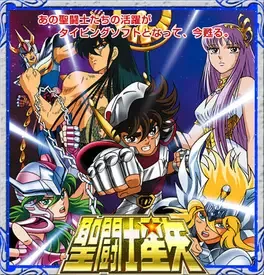
Learn to type with the popular anime series.
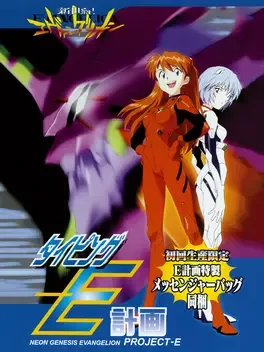
Shinseiki Evangelion: Typing E-Keikaku is a typing tutor game based on the anime Shinseiki Evangelion ("Neon Genesis" Evangelion)
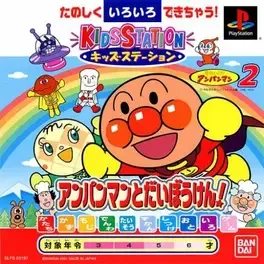
Anpanman's second Kids Station entry.
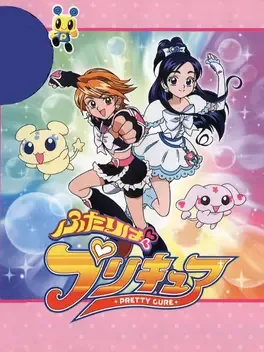
Futari wa Pretty Cure is a game for the Sega Pico kids' computer. Aimed at young children aged 3-5, the game does not have a story mode, and has very little text. The various mini-games are short and fairly simple.
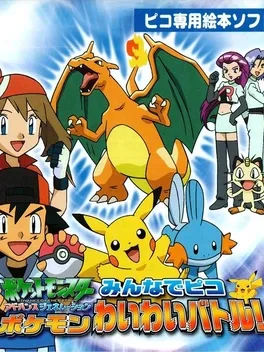
Pocket Monsters Advanced Generation: Minna de Pico Pokémon Waiwai Battle! is an education video game based on the third generation of the Pokémon series. It was developed and published by Sega Toys and released for Sega Pico on July 13, 2004 in Japan only.
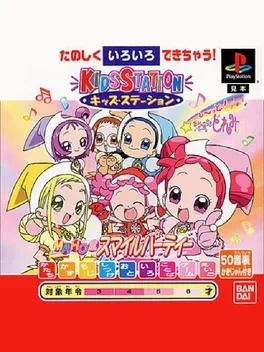
Educational game based off the Motto! Ojamajo Doremi anime television series.
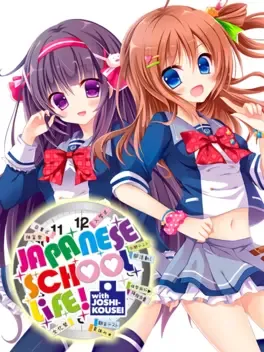
Welcomed by the fluttering of cherry blossom, the main character, Brian, starts a new high school life in Japan. Brian soon starts to get along with two girls in the same class after they start to talk to him. With their help, Brian gradually learns Japanese culture and customs.
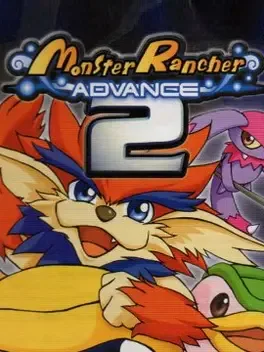
Monster Rancher Advance 2 lets players create, train, and fight with monsters of their own choosing. Monsters are generated by inputting key phrases to create different monsters. Each phrase entered will create a unique monster, which will always appear when that specific phrase is entered. Players can experiment with many different phrases for unexpected results. Two separate monsters can also be combined with special items to form an entirely new monster. Certain combinations will lead to hidden, rare monsters which can not be obtained through the normal monster generation process. The Coaching System from Monster Rancher Advance has been dramatically improved for added depth in the sequel. Depending on the monster type, certain coaches will offer unique training sessions which other monster coaches will not be able to provide. These special training sessions can be very difficult and dangerous, yet have potential to yield major results. A monster's charisma and skills will also be crucial factors in deciding whether it is suitable to be a good coach or not. Coaches will now recognize and alert you to certain warnings which your breeding assistant may not notice.
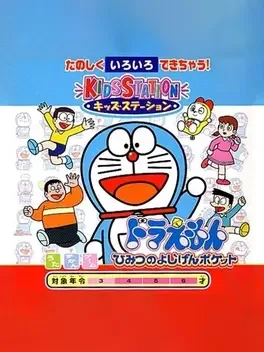
A Kids Station game based on the Doraemon franchise.