
Computer Board Game: Genpei Touma-den
Remake
Buy
Parent game
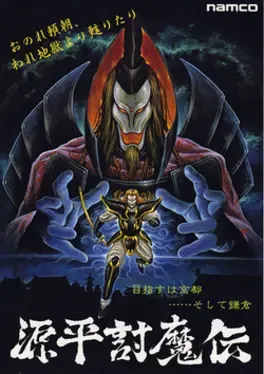
The Genji and the Heike Clans (Genpei Touma-den) is a side-scrolling hack and slash platform game. The player controls Taira no Kagekiyo, a samurai who was killed in the Battle of Dan-no-ura during the Genpei War. Kagekiyo was resurrected to defeat his enemy Minamoto no Yoritomo and the heads of his clan, Minamoto no Yoshitsune and Saito Musashibo Benkei. The game offers three types of action: Small Mode (standard), Big Mode (standard, but with large characters and usually boss fights) and Plain Mode (viewed from an overhead perspective). The game received a localization when released in Namco Museum.
Part of collection:
The Genji and the Heike Clans
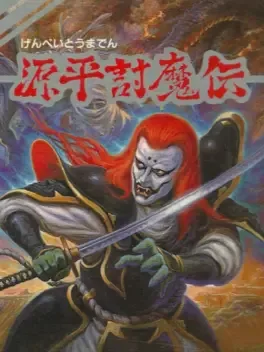
Multi-style game in which you play a Japanese demon warrior with flowing red hair. It is divided into overhead areas, platform areas with small sprites and walk along hack ‘n’ slash bits with much larger characters.
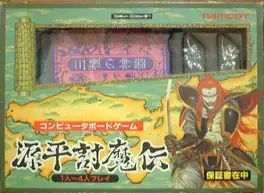
In October 1988, Namco released a version of Genpei Tōma Den for the Family Computer titled Genpei Tōma Den Computer Board Game. Packaged with a physical cloth game board, cards, and metallic player figures molded after Kagekiyo, it takes the form of a virtual board game where players compete against each other to conqueror all of Japan. Where as Genpei Tōma Den was a side-scrolling action game, Computer Board Game is instead a role-playing game, where players engage in battles with enemies and purchase items and equipment from stores. The idea for the game came from Namco designer Yuichiro Shinozaki wanting to further expand on the lore and world of the original game.
The Genji and the Heike Clans (Genpei Touma-den) is a side-scrolling hack and slash platform game. The player controls Taira no Kagekiyo, a samurai who was killed in the Battle of Dan-no-ura during the Genpei War. Kagekiyo was resurrected to defeat his enemy Minamoto no Yoritomo and the heads of his clan, Minamoto no Yoshitsune and Saito Musashibo Benkei. The game offers three types of action: Small Mode (standard), Big Mode (standard, but with large characters and usually boss fights) and Plain Mode (viewed from an overhead perspective). The game received a localization when released in Namco Museum.
Could be interesting
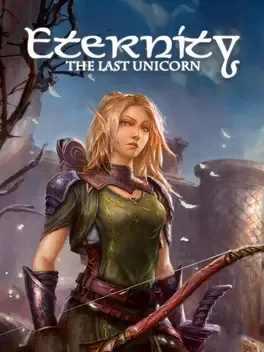
A fully featured RPG with classic game mechanics and extensive lore based on Norse mythology. As all elven unicorns were taken away and cursed by witchcraft, the elves’ sole existence became endangered. Players will encounter mesmerizing locations and fantasy characters as Aurehen, a young pure Elf, who undertakes her quest to free the last surviving Unicorn that protects Elven immortality.
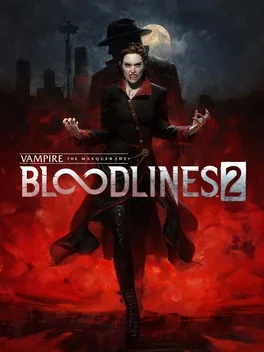
Vampire: The Masquerade - Bloodlines 2 is the successor to the iconic RPG Vampire: The Masquerade - Bloodlines. Set in a Seattle faithfully reimagined in the World of Darkness, Vampire: The Masquerade - Bloodlines 2 features reactive storytelling, fast-paced melee combat, and intriguing characters with their own hidden motives. Created in an act of vampire insurrection, your existence ignites a blood war among the vampire factions who run Seattle. To survive, you’ll choose a clan and enter into uneasy alliances with competing factions in a world which will react to every choice you make. Unleash your supernatural powers against your prey, but be mindful of your surroundings at all times or run the risk of breaking the Masquerade (the absolute law of secrecy that keeps Vampire society hidden from humanity).
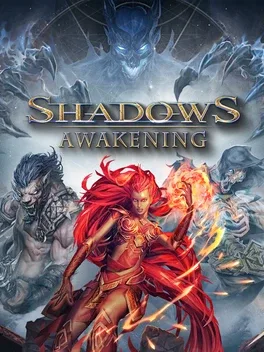
Shadows: Awakening is a unique, isometric single-player RPG with real-time tactical combat. You embark on an epic adventure with challenging gameplay, a gripping storyline and enchanting graphics.
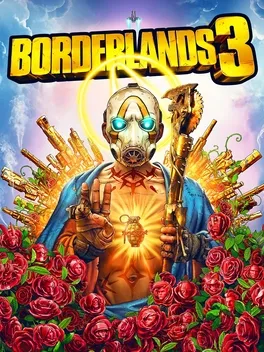
Borderlands 3 is a first-person looter shooter set seven years after the events of Borderlands 2. Players select one of four new Vault Hunters and travel across multiple planets to stop Troy and Tyreen Calypso, twin cult leaders seeking to harness the power of alien Vaults scattered throughout the galaxy. The game features procedurally generated weapons, cooperative multiplayer for up to four players, expanded skill trees with multiple action skills per character, and new traversal mechanics including sliding and mantling.
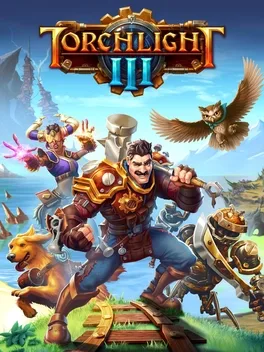
Set in the same beloved universe as Torchlight I and II, this shared-world action-RPG brings back many of the franchise's signature features and mechanics that captured the hearts of ARPG fans around the world. In true Torchlight style, players will team up with friends and devoted pets to hack and slack their way through a vibrant world, discover ancient ruins of lost civilizations and brave dungeons filled with riches and dangerous creatures.
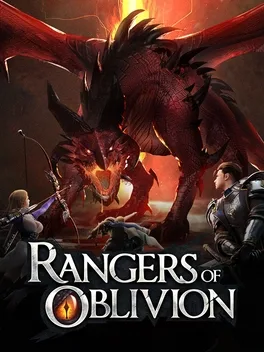
Rangers of Oblivion is the ultimate monster-hunting playground for mobile devices.
The Elder Scrolls VI is an upcoming single-player action RPG from Bethesda Game Studios, serving as the sixth main entry in The Elder Scrolls series and the follow-up to 2011's Skyrim. The game is built on Creation Engine 3 and entered active production in 2023 following the completion of Starfield. Director Todd Howard has described the project as aiming to be the "ultimate fantasy-world simulator."
Take the Elder Scrolls anywhere you go with The Elder Scrolls: Blades. Revealed during the 2018 Bethesda E3 Showcase, Blades is an all-new Elder Scrolls game from Bethesda Game Studios. Launching in winter 2019, Blades will be free-to-play on iPhone, iPad and Android devices.
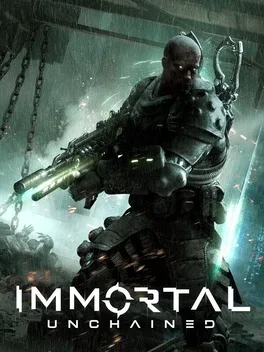
Immortal: Unchained is an action role-playing game and third-person shooter with a high difficulty level and a focus on firearm combat, though basic melee weapons such as swords, axes, and clubs are also available. Enemies have critical weak points, typically the head and a glowing spot on their backs, that can be targeted for extra damage. The game is set in an alternate universe whose backstory draws on Norse mythology, spanning Nine Realms tied to a central artifact called the Monolith.
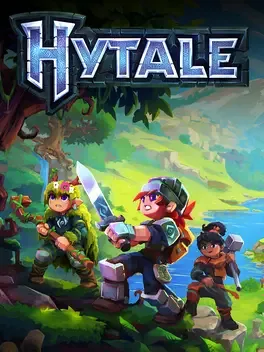
Hytale combines the scope of a sandbox with the depth of a roleplaying game, immersing players in a procedurally generated world where teetering towers and deep dungeons promise rich rewards throughout their adventures. Hytale supports everything from block-by-block construction to scripting and minigame creation, delivered using easy to use and powerful tools.