
Popular games for platform WonderSwan
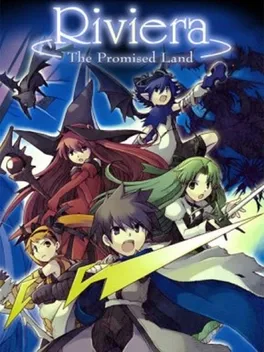
In Riviera: The Promised Land, you'll follow two fierce warriors--each armed with godly weapons--in a mission to defeat demons once and for all. The adventure included lets you experience more than 30 hours of role-playing gameplay, complete with minigames, multiple endings, and secret paths and items. The game's unique item system allows items to function differently depending on which characters equip them.
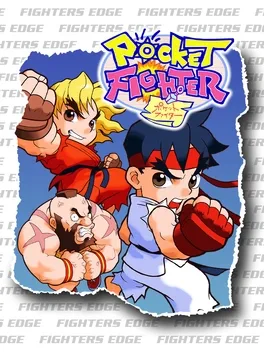
Pocket Fighter is a port of Super Gem Fighter Mini Mix. This version of the game add-in additional modes like Character Edit and Running Battle Mode. As can be expected due to the PlayStation's memory capacity, some of the Arcade release's graphics were removed, such as certain scenes and in-game effects.
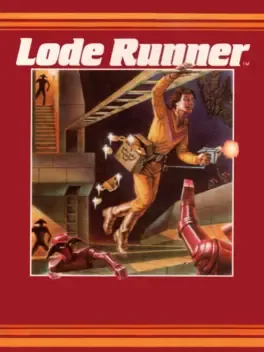
Lode Runner is a 1983 puzzle video game, first published by Brøderbund. It is one of the first games to include a level editor, a feature that allows players to create their own levels for the game. This feature bolstered the game's popularity, as magazines such as Computer Gaming World held contests to see who could build the best level.
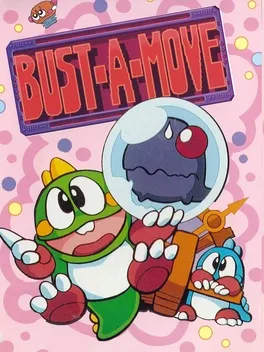
Bust-A-Move (also known as Puzzle Bobble) is a real-time puzzle game in which the player controls a device called "pointer" at the bottom of the screen, aiming and releasing randomly colored bubbles upwards. Depending on the aiming, the bubbles may float up directly or bounce off the walls, changing their trajectory. The goal is to aim the bubbles in such a way that they will touch identically colored ones. When such bubbles form a group of three or more, they pop and disappear from the screen. If the ceiling of the area is covered by too many bubbles, it will gradually descend; the game is over when it nearly reaches the player-controlled pointer. Should the player fail to release the bubbles within a specific time limit, they will be released automatically, unaffected by the pointer's aiming.
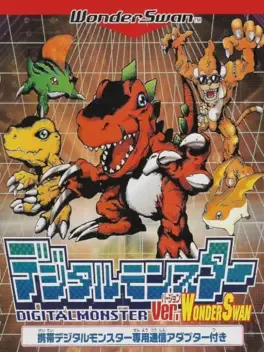
Digital Monster Ver. WonderSwan is a Japanese handheld version of the original Tamagotchi-like Digimon pet for the WonderSwan. It includes all of the original Digimon from the five different pet devices. In this game the player can have up to five different Digimon with them at a time. It even has computer controlled opponents to battle with. The game has the ability to connect to another WonderSwan through a special link cable. It can also hook up to the original pets through a Digimon "dock N rock" connector that comes packaged with the game. Digital Monster Ver. S: Digimon Tamers did much the same thing, only on the Sega Saturn. There is an English version produced for the Hong Kong region.
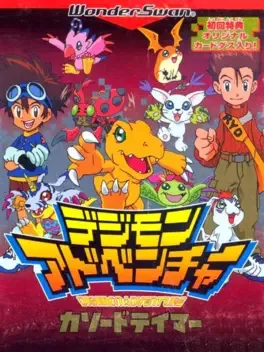
This is the second game in Digimon Adventure series, a kind of an add-on to Anode Tamer. The game is based on the popular manga Digimon. The hero, a boy named Ryou, has to travel to digital world in order to free his friends from the clutches of the evil digital monster Milenniamon. The story of this game is identical to that of "Anode Tamer". The difference between the two games are the monsters themselves: "Cathode Tamers" features a brand new set of monsters, and since the beginning of the game you encounter different foes. The full collection of monsters can be achieved only if you complete both games.

Tetsuman is a Miscellaneous game, developed by Chat Noir and published by Kaga Tech, which was released in Japan in 1999.
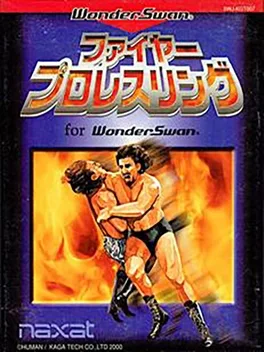
The greatest pro wrestling simulator is now on Wonderswan, allowing you to bring the action with you anywhere you go. Involve yourself in MASTER OF RING, the new management mode taking you through the ranks of wrestling, and create a wrestling legend with the edit mode.
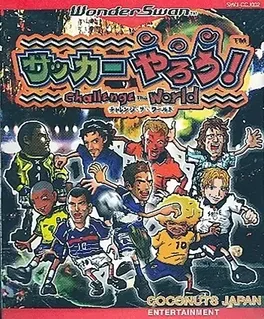
Soccer Yarou! Challenge the World is a Sports game, developed and published by Coconuts Japan, which was released in Japan in 1999.
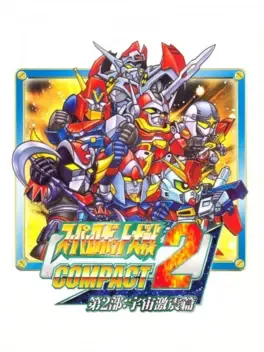
Super Robot Taisen Compact 2 Dai-2-bu: Uchuu Gekishin-hen is a Strategy game, developed by TOSE and published by Banpresto, which was released in Japan in 2000.
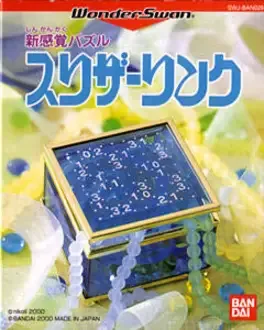
Slither Link is a Puzzle game, developed by Tomcat System and published by Bandai, which was released in Japan in 2000.
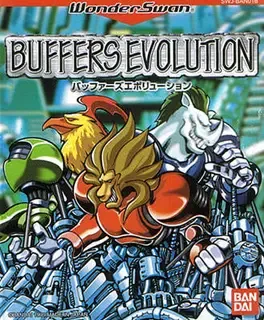
Buffers Evolution is an Action game, developed and published by Bandai, which was released in Japan in 1999.
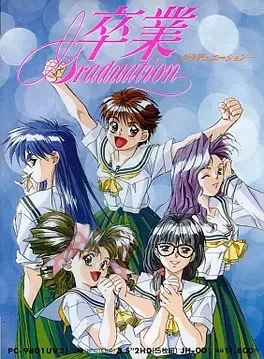
Sotsugyou Graduation for WonderSwan is a Strategy game, developed by Imageworks (Japan) and published by Bandai Visual, which was released in Japan in 1999.
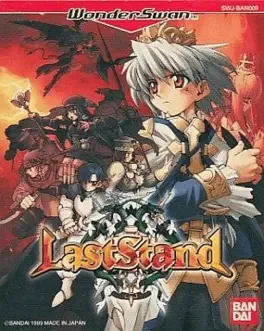
Last Stand is a Strategy game, developed by Soft Machine and published by Bandai, which was released in Japan in 1999.
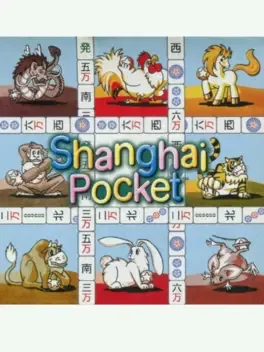
Shanghai Pocket is a Puzzle game, developed and published by SunSoft. It was first released for the Game Boy, then ported to the WonderSwan. The Game Boy version has Super Game Boy support.
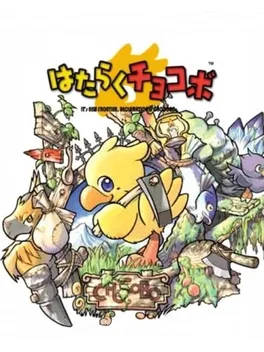
A sim featuring Square's mascot released on the WonderSwan Color in Japan only. The player must raise a Chocobo while completing various tasks to earn items.
Sennou Millennium is a Puzzle game, developed by Kouyousha and published by Bandai, which was released in Japan in 2000.
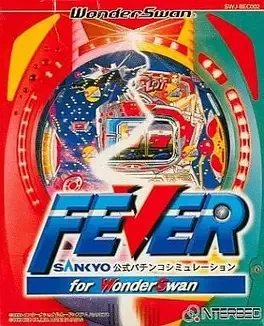
The Sankyo Fever series' sole WonderSwan entry. Fever Sankyo Koushiki Pachinko Simulation for WonderSwan is a Miscellaneous game, developed and published by Bec, which was released in Japan in 1999.
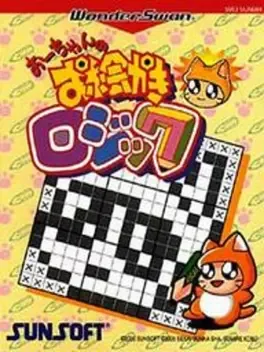
O-chan no Oekaki Logic is a Puzzle game, developed by Santaclaus and published by SunSoft, which was released in Japan in 2000.
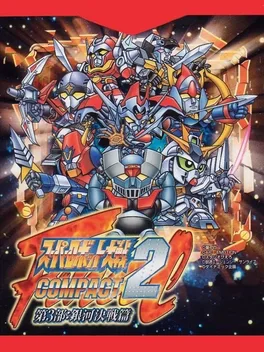
Super Robot Taisen Compact 2 Dai-3-Bu: Ginga Kessen-hen is a Strategy game, developed by TOSE and published by Banpresto, which was released in Japan in 2001.
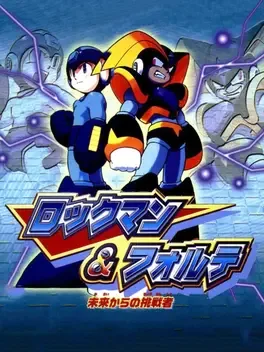
Rockman & Forte: Mirai kara no Chousensha is a video game in the classic Rockman series. It is considered to be a "sequel" to Rockman & Forte due to its naming, though it actually continues on from the story of Rockman World II.
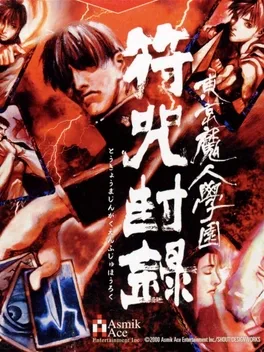
A portable entry in the Tokyo Majin Gakuen series, featuring a trading card game mixed with RPG elements.
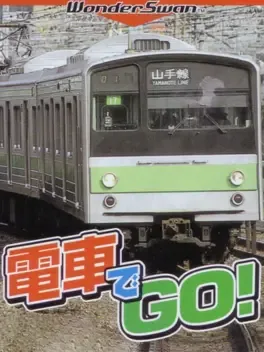
Densha de Go! is a 1997 train simulator arcade game developed and published by Taito in Japan. Players are tasked with guiding a train to its destination under a time limit while managing its acceleration and speed limitations. It features real-world train stations and train lines from Japan, including the Yamanote Line and Keihin-Tohoku Line. The game was ported to several home consoles, including the Nintendo 64 and PlayStation. The concept for Densha de Go! was inspired by designer Akira Saito's personal fascination with Japanese train lines and railroads. He wanted to create a game that allowed players to familiarize themselves with driving a train. The controls were his primary focus as he wanted them to be accurate and responsive, and to mimic the controls of a real train—his father worked for the Kyoto City Transportation Bureau Facilities Division, which made this easier to accomplish. Saito included real-world railroads and trains to appeal towards other railroad enthusiasts, thinking that it could also attract more "ordinary" players for its realistic, familiar theme. As arcades at the time were dominated primarily by racing and fighting games, he believed its unique concept could make it stand out. Ports for the Game Boy Color and WonderSwan were published in 2000.
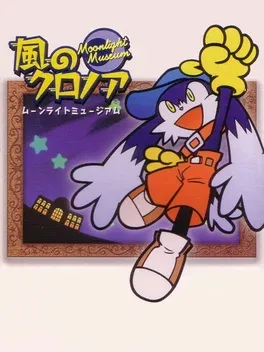
Klonoa and his friend Huepow come across a young crying girl who tells them that the moon has been divided into fragments and stolen by a mysterious group of artists that reside in the nearby Moonlight Museum. Determined to help, the duo rush off to the Museum's entrance, and once they come inside, they are greeted by a painter named Picoo who traps them inside a piece of artwork. Klonoa and Huepow must fight their way through five worlds within the Museum itself before finding the source of all their troubles and restoring the moon to the sky.