
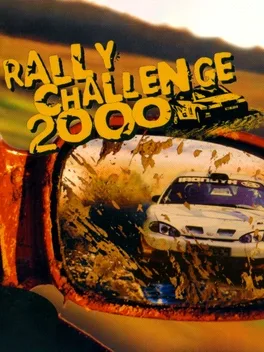
Rally Challenge 2000
Buy
Could be interesting
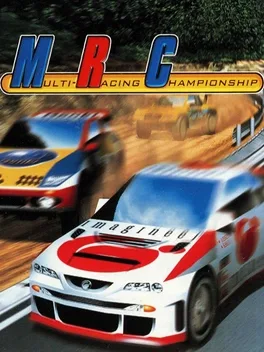
Featuring up to 10 chooseable cars (many which open up later in the game), and three courses (plus mirror courses), Multi Racing Championship's biggest draw is the splendidly realistic feel of the cars themselves and the well designed courses on which they drive. The cars range from 4X4s, trucks, and off-road racers to slick street cars, Lamborghinis and the like. While initially it may seem like there is a deficit of courses, in fact, the multi-terrain courses contain mini-courses within each one. For instance, at least three times in each course, you will have the choice to take two different road directions -- either rough dirt track or snow-laden road, ot a slick but usually longer street course. Each car handles terrains differently, and some, like the trucks, obviously handle the off-roads better than others, but you can also modify your street car to handle dirst roads well, too.

A game mentioned in a number of interviews, and developed by DMA Design. It featured a variety of human and alien characters racing to the top of high towers. The game was eventually dropped so DMA Design could focus on its Body Harvest and GTA projects.
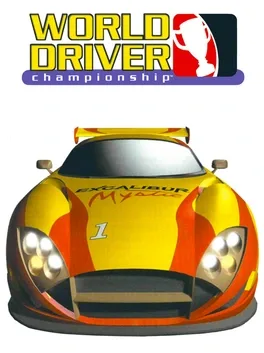
One of the last racing simulations to be released for Nintendo 64, this graphically intensive title used custom microcode optimization and high polygon count modelling. The development team was able to optimize the usage of the various processors within the N64 to allow far draw distance (reducing the need for fog or pop-up), high detail texturing and models, Doppler effect audio, and advanced lighting and fog effects for realistic weather conditions. Impressively the game has a high resolution 640x480 mode that does not require the add-on N64 RAM Expansion Pak. Additionally, unlike many other games of its type on the platform, the game runs high resolution at a sufficiently playable pace, undoubtedly due to the use of a reduced screen area letterbox mode that lessens the number of pixels needing to be displayed.
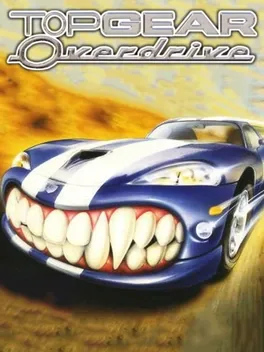
In the main mode of play, the player races through six seasons, each season containing more races from more tracks, and with faster cars competing. At the beginning of the race the player would start at the back of the grid, at the start line. Computer players at the front of the grid would often start a third of the way around the first lap. Players started with three charges of nitrous oxide, which were used to give the player a temporary speed boost. Shortcuts were available on each track, and often the use of these decided the outcome of the races, particularly in later seasons. At the end of each race the player would be presented with a screen to allow for various upgrades to their car, such as to acceleration and handling. The player was also able to change their car for a better (or worse) vehicle and could buy extra nitrous oxide to use in the next race.
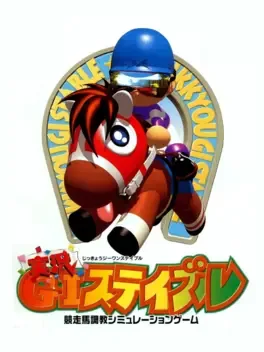
Jikkyou GI Stable is a Sports game, developed by Konami Computer Entertainment Nagoya and published by Konami, which was released in Japan in 1999.
Buggy Boogie was a car combat game/kart racer being developed by Angel Studios. It was later cancelled by publisher Nintendo.
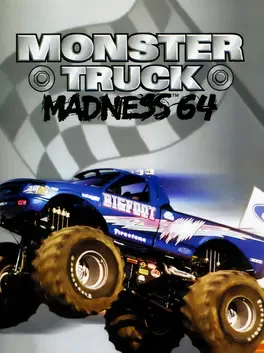
It offers improved graphics, an updated interface, new trucks and tracks and the addition of variable weather conditions from its predecessor. However, the game engine is essentially the same as that utilized in the original game. A testament to their similarity is the fact that most custom trucks and tracks are compatible with both games. The "Summit Rumble" king of the hill tracks could only be played if one intended to compete online. Again, "Army" Armstrong provides commentary for the game. However, his race calls have been updated, and new ones have been added.
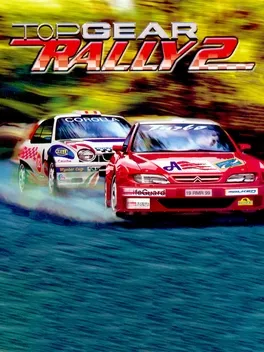
Top Gear Rally 2 is a racing game for the Nintendo 64. It was released in 2000, and is a sequel to Top Gear Rally. The game's objective is the same as the prior version: race through different locations (like farms, jungles, deserts and mountains) with the possibility of changing the climate (clear, rain, and snow). The game will randomly choose whether it is day or night.
Originally named Kirby Bowl 64, the Japanese name of Kirby's Dream Course, Kirby's Air Ride was one of the earliest games shown for the Nintendo 64. The earliest screenshots showed Kirby rolling down hillsides as a ball, but with the name change came a change in gameplay style: Kirby now raced around on Warp Stars. The game was shown over a number of years before simply fading away without an official cancellation. The game resurfaced in 2003 as Kirby Air Ride on the GameCube.
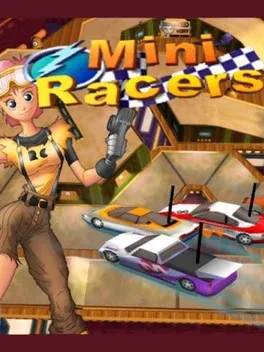
Mini Racers is a Driving game, developed and published by Looking Glass Studios, which was cancelled before it was released.