
Puzzle Boys


Buy
Part of collection:
Puzzle Boy
(last 3 games)

High voltage puzzle is a simple logic game where you can mount power line supports and substation equipment, and see the result on your mobile device. Complete 30 levels with real equipment and feel like an engineer.
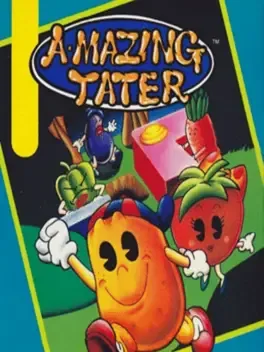
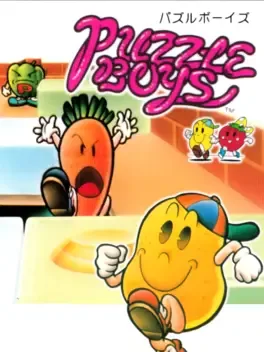
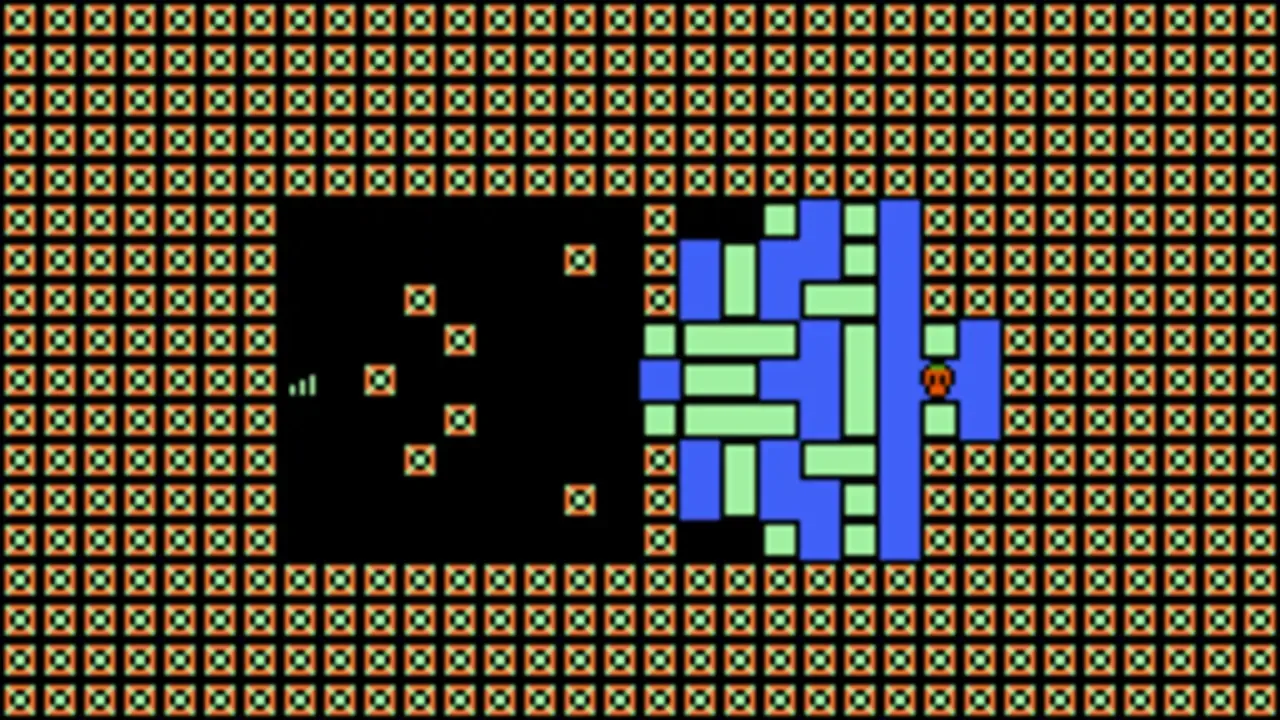
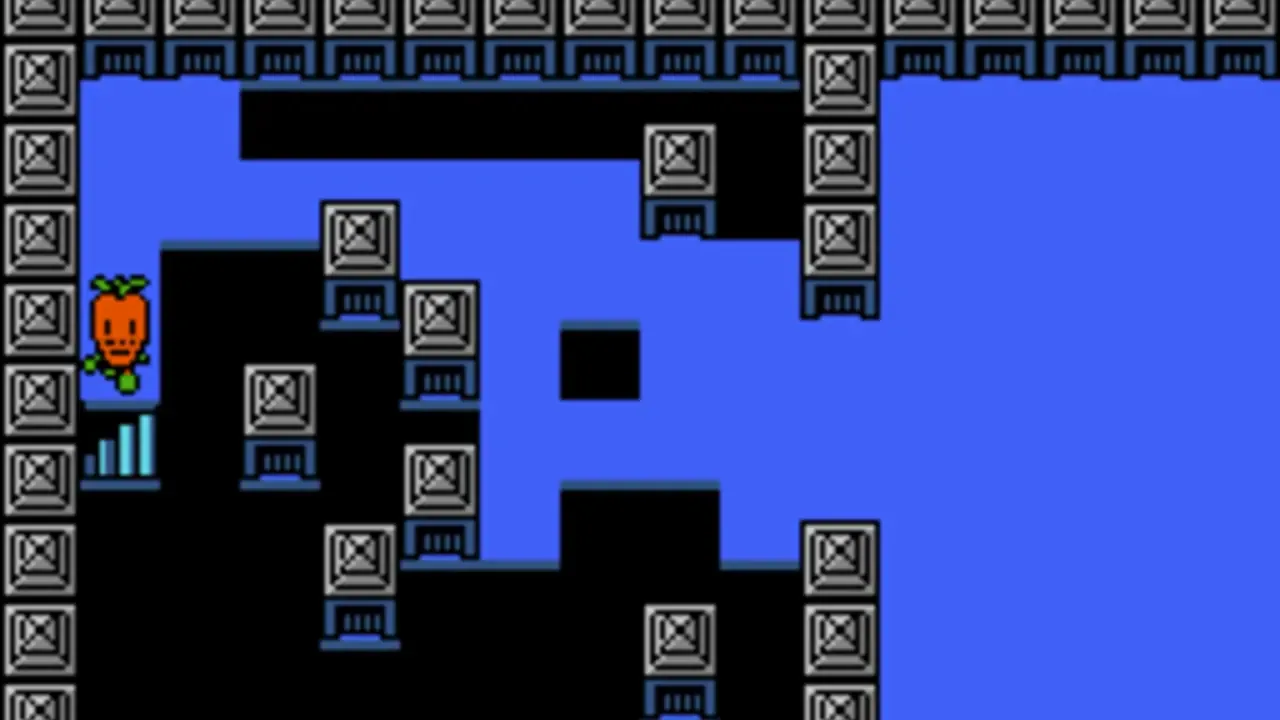
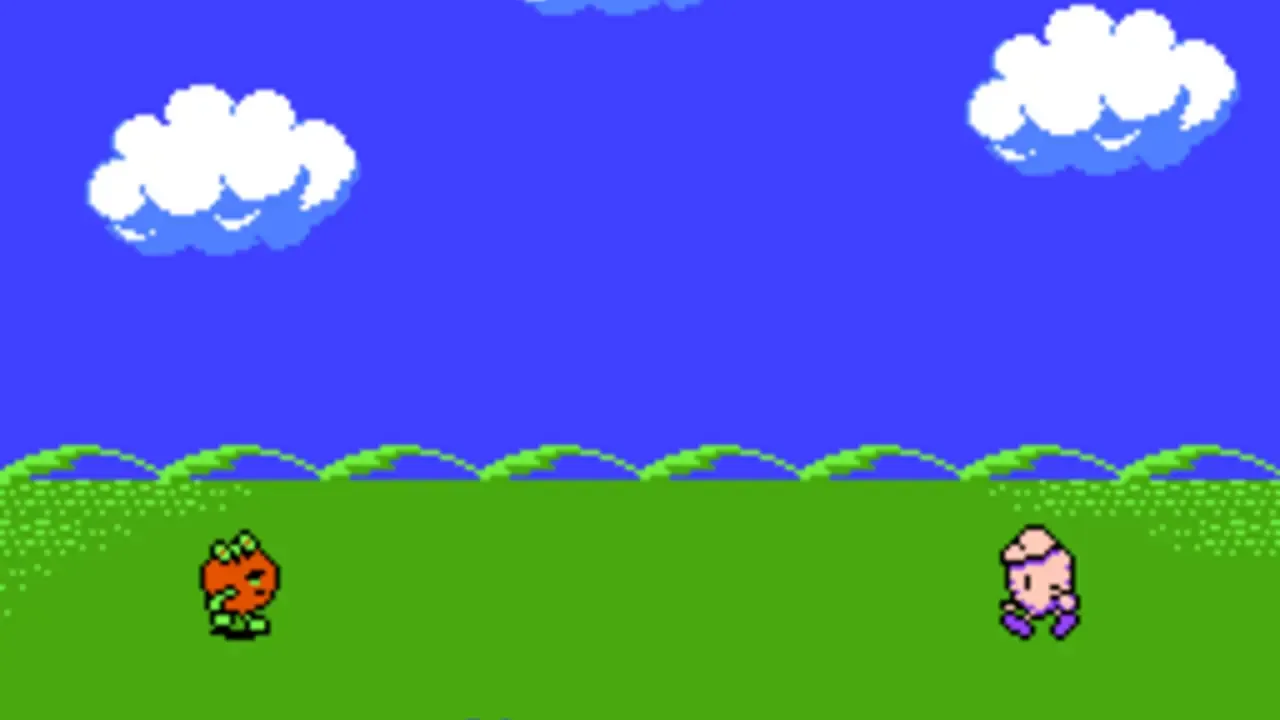
This puzzle-game is the successor to Kwirk. The player has to guide a small potato to the exit of each level, which is made difficult by a number of obstacles. Crates have to be pushed out of the way or into holes to make them traversable. Difficulty is increased by the fact that there are crates and holes of several different shapes and sizes and many levels contain different types of spinning doors. The game features four different modes of play: Beginners Mode in which the basics are explained and the player receives hints on how to solve each level; Practice Mode that lets the player choose the size of the levels which are then randomly picked; Puzzle Mode in which the player has to complete 40 levels and receives a score depending on the time it took him to complete a level; and finally Action Mode, which is basically a story mode containing two stories. The game also features a password system and four different difficulty levels.
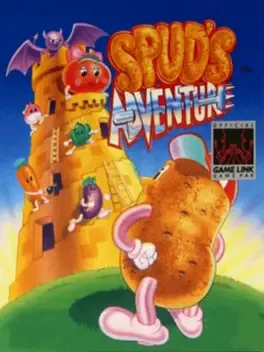
Spud's Adventure is an Action game, developed and published by Atlus, which was released in 1991.
Could be interesting
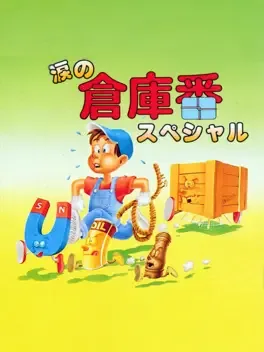
It is your goal to push a number of crates onto certain spots in order to finish a level. Finding the right way to move all the crates on the right spots becomes increasingly difficult and you have to plan numerous steps in advance in order not to block your own way.
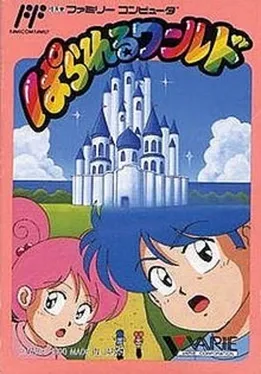
Parallel World is a puzzle video game developed by EIM and published by Varie. It was released in Japan for the Family Computer on August 10, 1990. The player and his girlfriend must find their way back home after being sucked into an alternate universe. A magnificent castle full of 25 different game worlds block their progress, however, and they are filled with enemies on every stage. The player has an overhead view to destroy the enemies for extra loot. Given a strict time limit of 100 seconds to solve each puzzle, the game rewards fast puzzle solvers. The first player controls the male while the second player controls the female. Players only start with three lives and lose them when time runs out or when a monster comes into contact with him/her. Enemies in the game include springs, rollers, witches, and zombies.
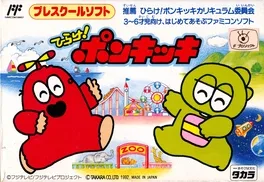
Hirake! Ponkikki is a Miscellaneous game, developed by Minato Giken and published by Takara, which was released in Japan in 1992.
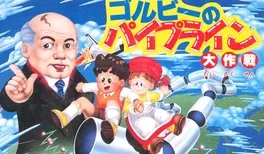
In this falling-block puzzle game, a small girl—wearing a Russian national costume of sarafan, kokoshnik, and valenki—pushes tiles representing segments of water pipe down a two-dimensional, vertical shaft; this shaft is the field of play. A second girl, also in national costume, waves semaphore flags to give the impression that she guides the placement of the tiles. The player must quickly rotate and place the tiles to catch and conduct a continuously-flowing stream of water from pipes on one side of the shaft to the other. When the player successfully links an inflow pipe on one side of the shaft to an outflow pipe on the other side, a row of tiles disappears, and the player earns points. If the player routes the water to a dead end, the game adds a layer of pipe segments for the player to clear. If the accumulating pipe segments stack to the top of the shaft, the game ends. By clearing the requisite number of rows, the player proceeds to the next game level.
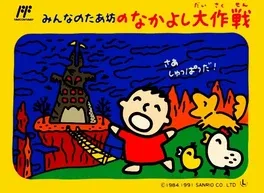
Minna no Tabou no Nakayoshi Daisakusen is a Puzzle game, developed by Bits Laboratory and published by Character Soft, which was released in Japan in 1991.
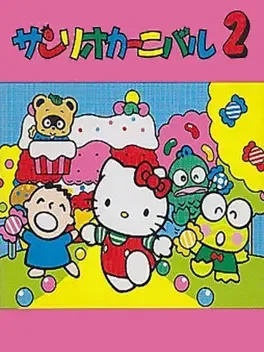
Sanrio Carnival 2 is a Puzzle game, published by Character Soft, which was released in Japan in 1993.
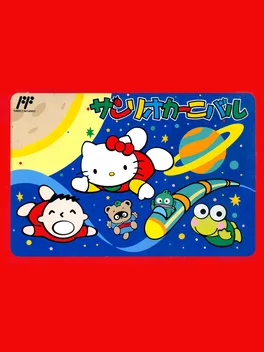
Sanrio Carnival plays in the style of Columns and Dr. Mario, but features Hello Kitty and her friends. The player must match block objects of the same type in a horizontal or vertical row of three, four of five. The menu allows the player three different single-player styles of game which determines what goal must be met as well as options to choose a music track and theme of the blocks. There is also a two-player versus mode available.
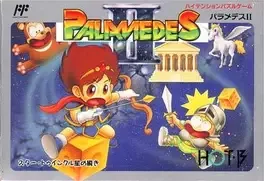
Palamedes II is a puzzle game and, as it sounds, the sequel to an obscure NES puzzler. The object is to throw one of the player’s dice at a die with the same number or one away. When you clear a die, it is added to the player’s poker-like “hand” and the bottom of the screen. When you’ve got a winning hand, you can use it clear multiple lines at once. The game has two modes: Mode 1 is a survival mode and Mode 2 is a screen-clear mode.
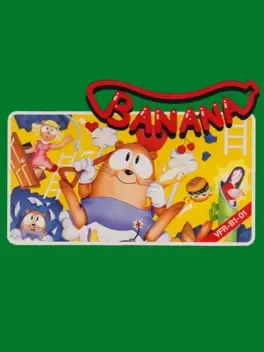
The game takes place in a world called Banana Land, which is populated by anthropomorphic moles. Mr. Mole is on a picnic with his wife and son when an earthquake strikes, trapping his wife and son underground! Help Mr. Mole rescue his wife (and sometimes son) and find their way to the exit through underground areas of varying design. The game features 105 stages and a custom stage design mode. The object of each stage is to make it to the exit after picking up all the various food items and Mr. Mole's family members. There is no way to "die" as such, but the player can make a mistake and make a stage impossible to complete; for this reason the player can "give up" by pressing the A and B buttons simultaneously to re-try the stage.
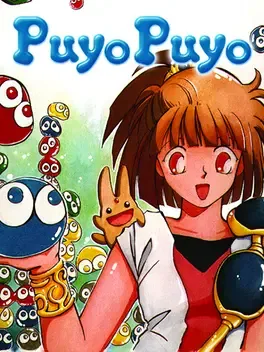
The first game in the popular puzzle series, released one year before the "Action Puzzle Game" arcade title that would turn it into a household name.