
Popular games published by company Namcot
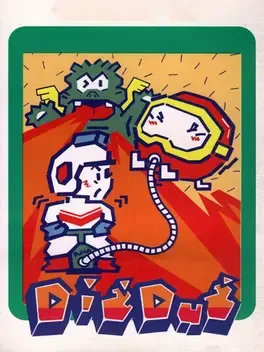
The Famicom port of Dig Dug. It was originally only released in Japan, being first released overseas via the Wii Virtual Console.
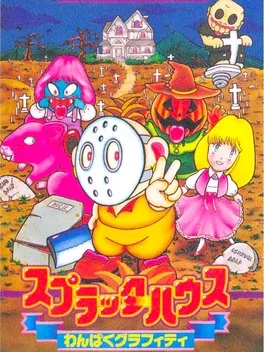
Revived by his girlfriend's grief and a flash of lightning, Rick must chase down the Pumpkin king and save his beloved Jennifer once and for all! A parody of the bloody horror beat-'em-up Splatterhouse, Wanpaku Graffiti assumes a much cuter appearance but retains the same fast-paced action of the original.
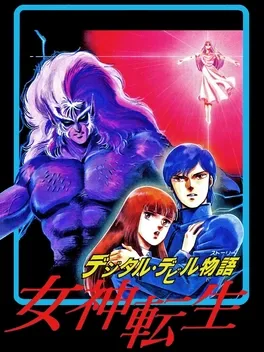
Digital Devil Story: Megami Tensei is the first game of the Megami Tensei series of role-playing video games. It is based on the novel Digital Devil Story by Aya Nishitani. Although Atlus has published a majority of the series, the first two games were created by Atlus but published by Namco (known as Namcot at the time), after it bought the video game rights to the Japanese horror novel series by Aya Nishitani, the first named Digital Devil Story. This game is a role-playing video game that features extensive dungeon crawling and focuses heavily on demons, which have gone on to become a trademark of the series.
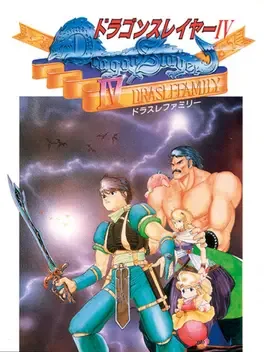
Play as five members of a family that set out to kill a dragon hidden within a giant maze.
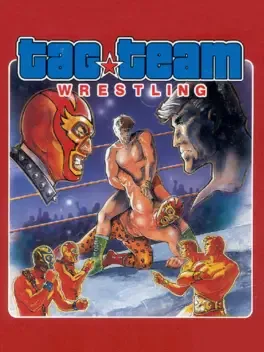
You are challenged to match the awesome skills of your opponents...to gain the Title in the World Super Championships of TAG TEAM WRESTLING Teamwork and stamina are the keys, as you and your partner battle your way through the Title Matches on your quest for the Belt. Attack your opponents with Body Slams, Drop Kicks, Backbreakers, Flying Head Butts, or even throwing them out of the ring! To win, its a pin for a count of three. Nothing can match the super excitement as the crowd cheers over this mania on the mat. Prepare yourself for Tag Team Wrestling!
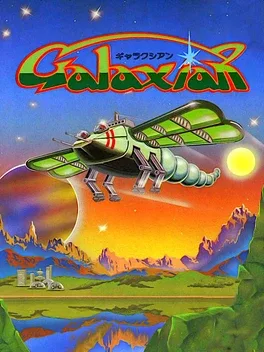
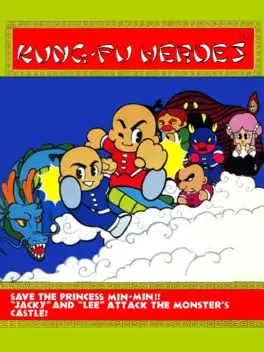
The NES port of the Arcade game Chinese Hero.
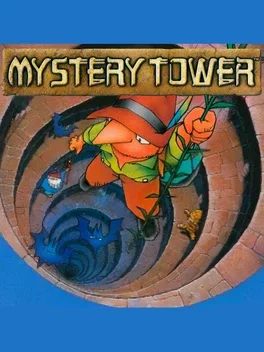
Mystery Tower, previously known as The Tower of Babel (Babel no Tou) or just Babel, is an action puzzle game. The game consists of 64 "floors" or puzzles that involve the positioning of many L-shaped blocks. You must manipulate them to create stairs so you can reach the exit of each floor. Some floors are sealed, and you must collect crystal balls to escape. There are items to collect for bonus points, and a small number of enemies to avoid. The game was a Japan-exclusive title up until its release on the Nintendo Switch Online service, finally receiving its current overseas title.
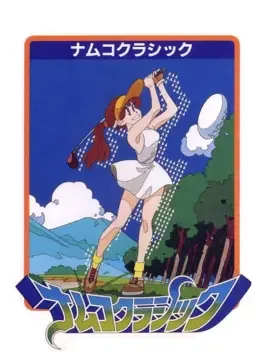
Namco Classic is a golf game developed by Namcot and published for the Famicom in 1988. The game features Round Play, which you can use to practice the course in the game or compete with friends, or Tournament mode, where you play against a computer opponent in an effort to win a large amount of prize money. The game was also released for the Game Boy in 1991. The Game Boy version features a different course but is very similar in many respects. In 1996, that version was also included in the compilation title, Namco Gallery Vol. 1.
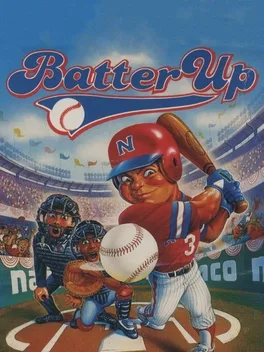
Batter Up is a baseball game for one or two players. It features a fictional "Namco League" consisting of 14 teams, each with their own player roster, with different players having their own strengths and weaknesses.
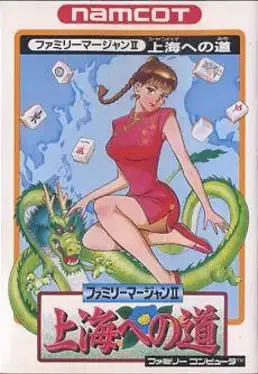
Family Mahjong II: Shanghai e no Michi is a Mahjong game released only in Japan for the Nintendo Famicom. Family Mahjong II: Shanghai e no Michi is a Mahjong game and the direct sequel to Family Mahjong. In addition to the standard Mahjong mode, there is a tournament mode with a slight RPG aspect to it, in that the player can enhance certain stats after winning games in order to increase their odds in future rounds of the tournament. The game is a one-on-one version of the game, less common in real-life Mahjong games but the standard for computer adaptations due to the reduced complexity of having only a single AI opponent. Nihon Bussan was responsible for Family Mahjong II's development and was at the time fairly well known for their Mahjong Arcade games.
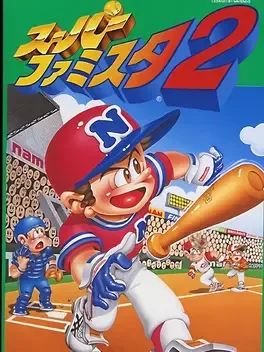
Super Famista 2 is a Sports game, published by Namco, which was released in Japan in 1993.
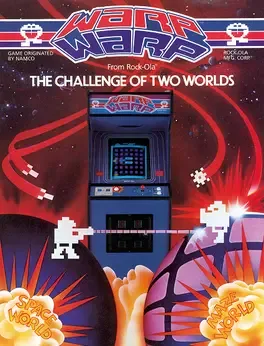
You control a monster fighter. A warp zone is set in the middle of the screen. Warp to the next level when flashing
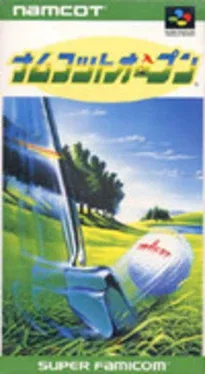
Namco Open is a Sports game, developed by TOSE and published by Namco, which was released in Japan in 1993.
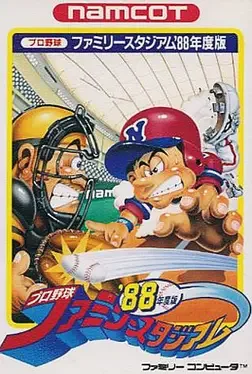
Pro Yakyuu Family Stadium '88 is the third in Namco's Pro Yakyuu Family Stadium series. As with its immediate predecessor, Pro Yakyuu Family Stadium '87, it is a slightly revamped version of the original with updated rosters. As with EA Sports's present-day practice, Namco released these games annually with little to distinguish each new iteration. Most notable of the smattering of minor new additions is allowing the player to choose their venue from four options, ranging from a fully-packed stadium to a park. Though this is the second sequel to Pro Yakyuu Family Stadium, which was released in the US by Tengen as R.B.I. Baseball, Pro Yakyuu Family Stadium '88 is not to be confused with R.B.I. Baseball 3. Though the first R.B.I. Baseball was a direct localization, subsequent R.B.I. Baseball games were created in the US and are entirely independent from Namco's series.
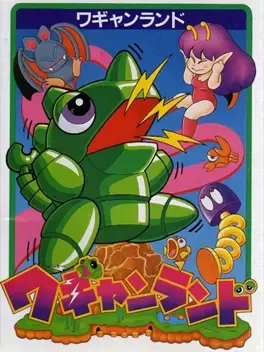
Wagyan Land is an Action game, developed by Now Production and published by Namco, which was released in Japan in 1989.
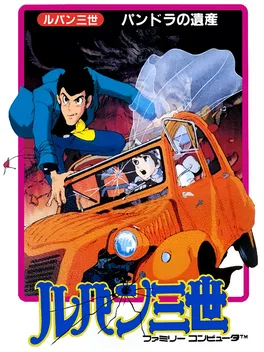
A Lupin III action game for the Famicom. It is based somewhat on the movie Castle of Cagliostro. The game was never released outside Japan.
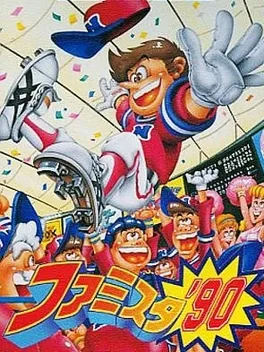
Namco's baseball simulator for 1990.
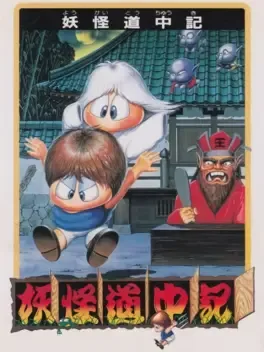
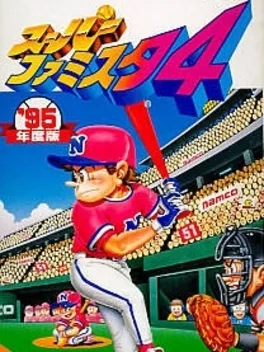
Super Famista 4 is a Sports game, published by Namco, which was released in Japan in 1995.
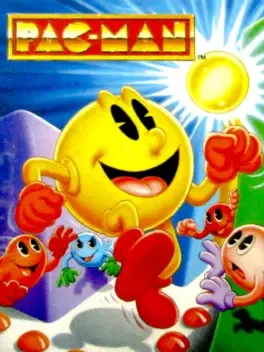
The Game Boy port of the arcade classic.
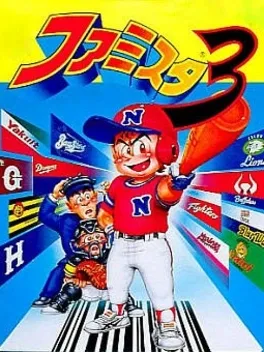

NES/Famicom port of Pac-Land.
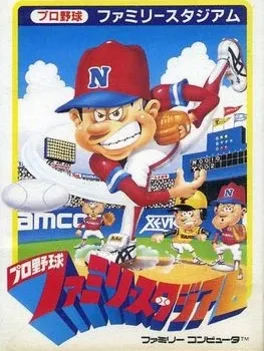
The first of the Pro Yakyuu Family baseball series. The game became the first console game of its kind to be licensed by the Major League Baseball Players Association (MLBPA) and used actual MLB player names, unlike other baseball video games of the late 1980s.